Choosing the Right Shed Size for Your Garden
Not sure what size shed you need? This comprehensive guide helps you calculate the perfect dimensions based on your storage needs, garden space, and intended use.
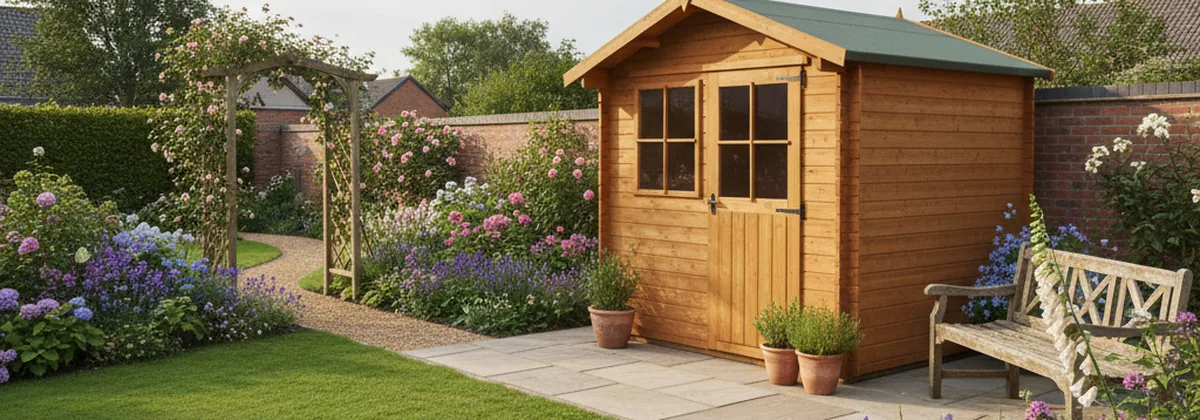
One of the most common mistakes people make is buying a shed that's too small. A year later, it's overflowing, and you're wishing you'd gone bigger. This guide helps you work out the ideal shed size before you start building, saving you time, money, and frustration.
Try the garden storage planner →
Arrange your bikes, tools and shelves, then check overlaps and door access. Free, with no sign-up.
If you're undecided between two sizes, always go for the larger option. You'll almost certainly fill it, and going too small is the number one regret of shed owners.
Understanding Common Shed Sizes
Sheds in the UK are typically measured in feet (width x depth). Here's what the most popular sizes offer:
Floor area: 2.2m²
Perfect for basic garden tools, a small mower, and seasonal items. Standing room only - no workspace.
Floor area: 4.5m²
The most popular UK size. Fits a full set of garden tools, bicycles, and leaves room to move around.
Floor area: 7.4m²
Excellent all-rounder. Space for storage plus a workbench. Ideal for keen gardeners and DIY enthusiasts.
Floor area: 11.1m²
True workshop space. Room for power tools, storage, and comfortable working area. Consider planning permission.
What Will Actually Fit?
It helps to think about what you need to store and how much space each item takes. Here's a practical guide:
| Item | Floor Space Needed | Notes |
|---|---|---|
| Lawn mower (petrol) | 0.5m² | Allow extra for manoeuvring |
| Lawn mower (electric/robot) | 0.3m² | Smaller footprint |
| Adult bicycle | 0.6m² | Or mount on wall |
| Workbench (standard) | 1.2m² | Plus standing room |
| Garden furniture set | 2-3m² | Seasonal storage |
| Shelving unit | 0.3m² | Excellent vertical storage |
Create Your Storage List
Before deciding on size, write down everything you plan to store. Include:
- Garden tools (spades, forks, rakes, hoes)
- Power tools (strimmer, hedge trimmer, chainsaw)
- Lawn care (mower, scarifier, spreader)
- Bicycles and outdoor toys
- Garden furniture and cushions
- Pots, compost, and growing supplies
- BBQ and outdoor cooking equipment
- Seasonal decorations
Wall-mounted tool racks, overhead storage, and shelving can dramatically increase your storage capacity. Factor in ceiling height when planning - apex roofs give you more overhead options.
Garden Space Considerations
Your shed needs to work within your garden's constraints. Consider these factors:
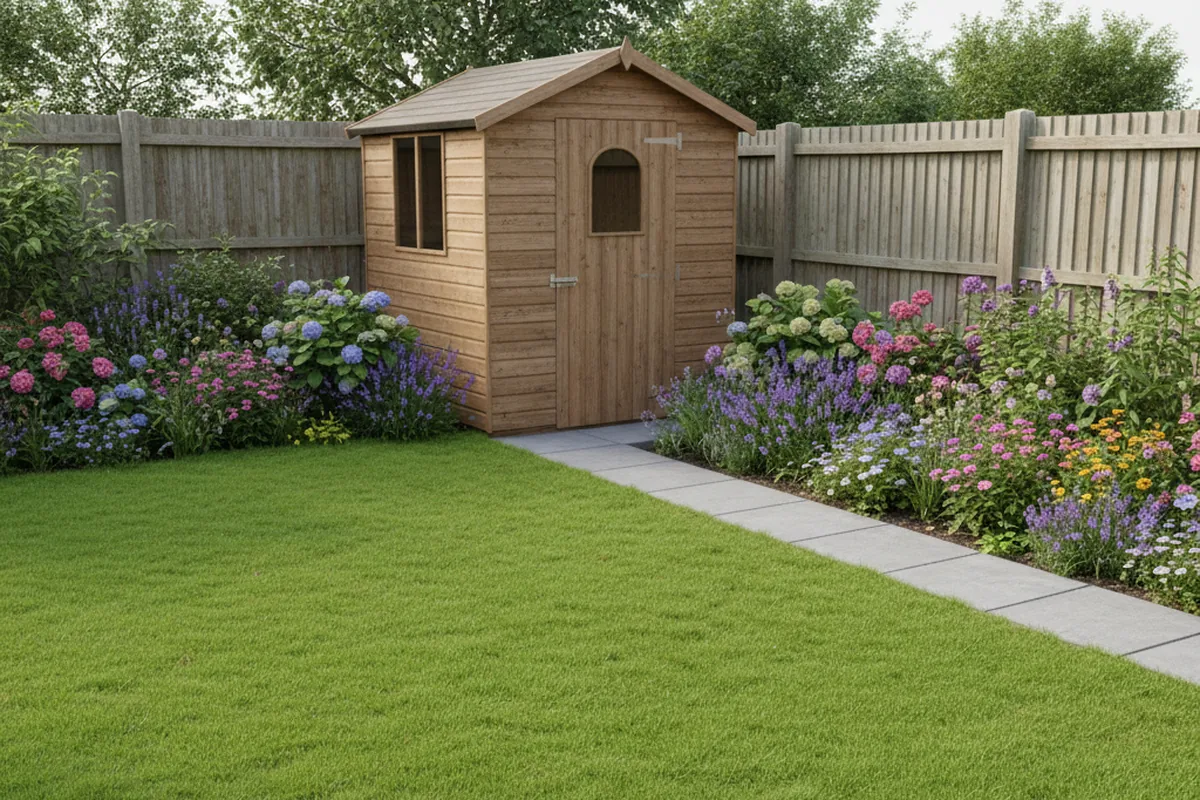
Access and Clearance
Don't forget you need to:
- Open the doors fully - a 6ft double door needs 1.8m of clearance
- Walk around the shed - for maintenance and repairs
- Get large items in and out - think about mowers and furniture
Boundary Distances
Under UK permitted development rules, sheds must be at least 1 metre from any boundary if they're over 2.5m tall. It's often wise to leave a gap even for smaller sheds to allow access for maintenance.
Recommended Sizes by Use
Basic Tool Storage
Minimum: 6' x 4' | Recommended: 8' x 6'
For hand tools, a small mower, and basic garden supplies. The 8x6 gives you room to actually find things without playing Tetris.
Keen Gardener
Minimum: 8' x 6' | Recommended: 10' x 8'
Space for multiple tools, potting area, seed storage, and grow lights. The extra room makes gardening tasks much more enjoyable.
DIY Workshop
Minimum: 10' x 8' | Recommended: 12' x 10'
Room for a proper workbench, power tools, timber storage, and space to work on projects. Consider electrics and good lighting.
Bike Storage (Family)
Minimum: 8' x 6' | Recommended: 10' x 6'
A 10x6 comfortably stores 4 adult bikes with room for helmets and accessories. Consider a wider door for easy access, and if the bikes are worth stealing, our bike storage guide covers anchors and locks.
Garden Office/Studio
Minimum: 10' x 8' | Recommended: 12' x 10'+
You need desk space, storage, and room to move. Insulation, electrics, and good windows are essential - allow for these in your planning.
Planning Permission Considerations
In the UK, most garden sheds fall under permitted development, but there are limits:
Maximum Height
2.5m if within 2m of a boundary, otherwise 4m (apex) or 3m (pent)
Maximum Coverage
Outbuildings must not cover more than 50% of your garden's total area
Positioning
Must not be forward of the principal elevation (front of your house)
If your property is listed or in a conservation area, different rules apply. Always check with your local planning authority before building.
Planning for the Future
Think 5-10 years ahead. Your needs will likely change:
Growing Families
- More bikes as children grow
- Sports equipment
- Larger garden toys
- Camping and outdoor gear
Developing Hobbies
- Woodworking tools
- Growing equipment
- Craft supplies
- Hobby-specific storage
The cost difference between an 8x6 and a 10x8 is often just 20-30%, but you get 65% more floor space. In almost every case, the larger shed is better value long-term.
Quick Size Reference Guide
| Size (ft) | Size (m) | Floor Area | Best For |
|---|---|---|---|
| 6' x 4' | 1.8 x 1.2m | 2.2m² | Minimal storage, small tools only |
| 8' x 6' | 2.4 x 1.8m | 4.5m² | General storage, 1-2 bikes |
| 10' x 6' | 3.0 x 1.8m | 5.6m² | Bike storage, long items |
| 10' x 8' | 3.0 x 2.4m | 7.4m² | Gardening, light workshop |
| 12' x 8' | 3.6 x 2.4m | 9.0m² | Workshop, multiple uses |
| 12' x 10' | 3.6 x 3.0m | 11.1m² | Full workshop, studio potential |
| 16' x 10' | 4.9 x 3.0m | 14.9m² | Large workshop, home office |
Summary
Choosing the right shed size comes down to understanding your needs - both current and future. Remember:
- List everything you need to store before deciding
- Always go bigger if you're unsure - you'll use the space
- Consider vertical storage to maximise capacity
- Check planning rules before committing to a size
- Think long-term - your needs will likely grow
Design Your Perfect Shed
Use our free shed builder tool to experiment with different sizes and see exactly what materials you'll need.
Start Building Now