Shed Timber Sizes and Grades Explained (4x2, CLS, C16 vs C24)
A plain-English buyer's guide to shed timber: what 4x2 and 3x2 really measure, C16 vs C24 grades, CLS studwork, sawn vs planed, and exactly which section to use for joists, studs, rafters and bearers.
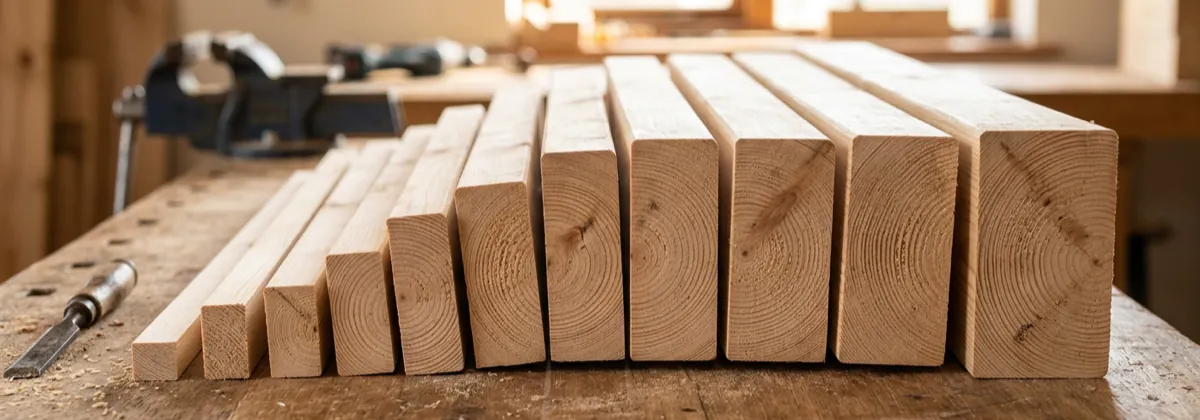
Standing at the timber rack for the first time is baffling. "4x2", "C24", "CLS", "sawn", "treated", "PAR", all for what looks like the same length of wood. This guide translates the lot in plain English, and then tells you the only thing that really matters: which timber to buy for each part of a shed. Get this right and your shed is strong, straight and lasts decades; get it wrong and it sags, rots or costs more than it should.
"4x2", "3x2" and What They Really Measure
Builders still talk in imperial inches even though timber is sold in metric millimetres. "4x2" is the old name; the actual product is 47mm x 100mm sawn. The mismatch trips everyone up, so learn the common translations:
| Old name | Metric (sawn) | Typical price/m* | Common shed use |
|---|---|---|---|
| 2x1 batten | 25 x 50mm | ~£0.72 | Roofing battens, small trims |
| 2x2 | 47 x 50mm | ~£1.02 | Light framing, noggins |
| 3x2 | 47 x 75mm | ~£1.54 | Wall studs, plates, bearers |
| 4x2 | 47 x 100mm | ~£1.98 | Floor joists, rafters, main framing |
| 5x2 | 47 x 125mm | ~£2.52 | Longer joists, heavier framing |
| 6x2 | 47 x 150mm | ~£2.93 | Large floor joists |
*Indicative treated sawn softwood prices per linear metre, ex VAT, current UK merchant rates (July 2026). Prices vary by supplier and quantity.
Sawn "47 x 100mm" is roughly that. Planed timber of the same name is a few millimetres smaller on every face, because planing removes material. When cutting joints or spacing studs, work to the real measured size, not the label.
Strength Grades: C16 vs C24
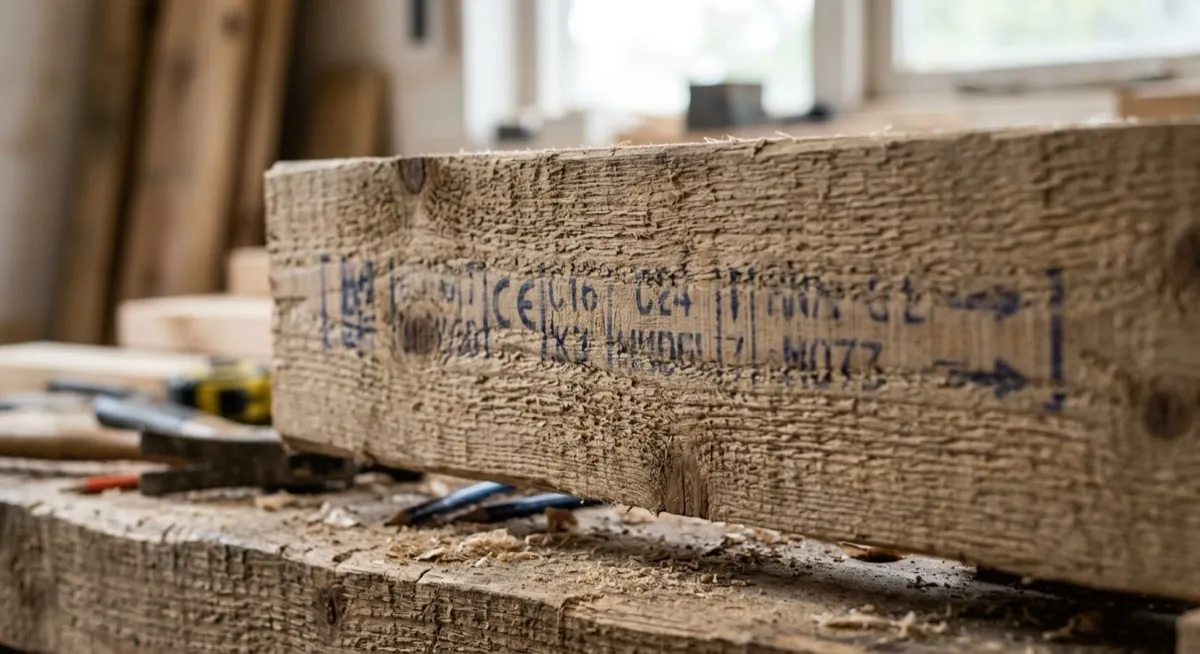
The "C" number is a strength class: higher means stronger and stiffer. The two you will meet at a merchant are C16 and C24.
- C16 is the everyday structural softwood. For a garden shed it is strong enough for almost all framing, and it is cheaper.
- C24 is stronger and stiffer for the same section, so it can span further or sag less. Worth paying for on long floor joists or rafters where stiffness matters.
- Many larger sections are sold dual-graded "C16/C24", meaning they meet at least C16 and often C24, so you get the higher grade at little or no premium.
For most sheds, C16 (or C16/C24 dual-graded) is the sensible default. Do not over-spec to C24 throughout unless you have a genuine span or load reason, it just adds cost.
CLS Studwork: The Smooth One
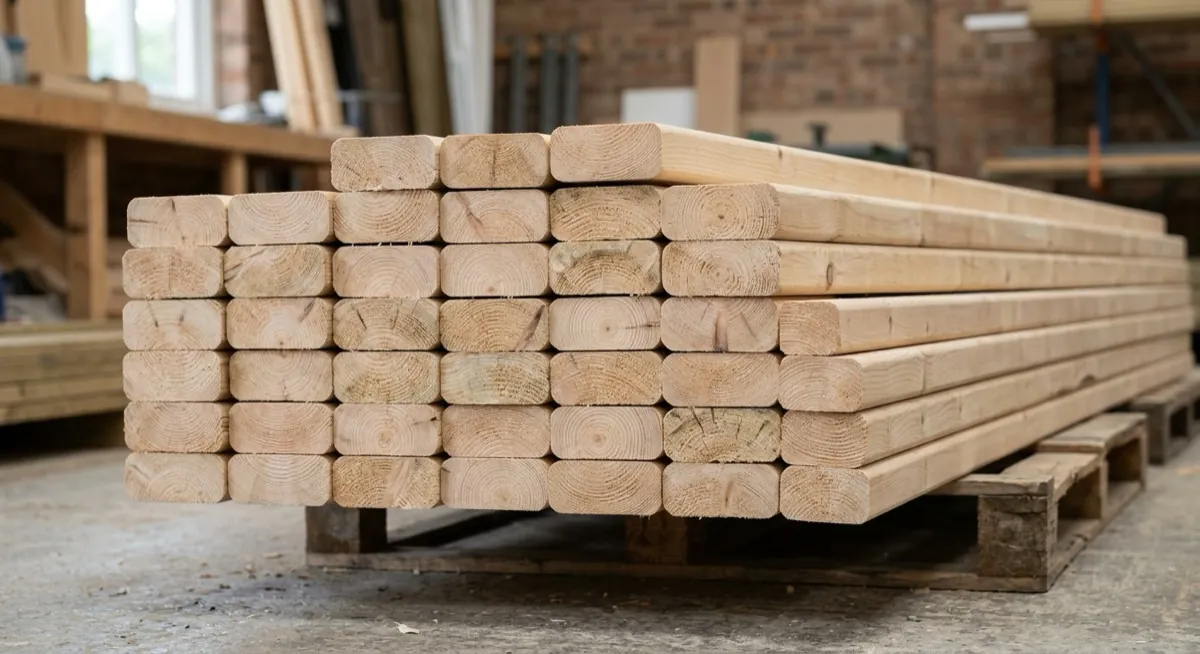
CLS (Canadian Lumber Standard) is planed softwood with gently rounded edges, designed for building stud walls. It is smooth, straight, consistent and comfortable to handle, which is why many people use it for shed wall frames and any internal woodwork. The two common sizes are:
- 38 x 63mm CLS (~£1.19/m) — light stud walls, internal partitions
- 38 x 89mm CLS (~£1.67/m) — sturdier stud walls, the "2x4" of stud framing
CLS is excellent for wall studs. But it is usually supplied untreated and kiln-dried for internal use, so for the parts of a shed exposed to weather, the floor frame, bearers and anything near the ground, choose treated sawn timber instead. Plenty of shed builders use CLS for the walls and treated sawn for the floor and bearers; that is a perfectly good combination.
Sawn vs Planed (PAR)
Two finishes, and the choice is easy for a shed:
- Sawn timber is rough from the saw. It is cheaper, slightly larger for the same nominal size, and perfect for framing that is hidden inside walls. Use sawn treated timber for the structure.
- Planed (PAR, "planed all round") timber is smooth on all faces, a few millimetres smaller, and costs more. Save it for anything you will see or handle, internal trims, a workbench, shelving, not the frame.
For the structural bones of a shed, sawn treated timber is the right call every time: stronger per pound, and nobody sees the frame once the cladding is on.
Treated vs Untreated
A shed lives outdoors in a damp climate, so pressure-treated (tanalised) timber is the default for the structure: the floor frame, bearers, wall framing, cladding and battens. Treatment forces preservative deep into the wood and buys years of rot resistance, often with a 15-year guarantee.
Internal, dry timber like CLS studwork can be untreated. But given how cheap the rot insurance is, many builders simply use treated throughout the structure and sleep easier. Whatever you choose, seal any freshly cut ends and give the finished shed a coat, our timber treatment guide covers the routine.
Which Section for Which Job (the Cheat Sheet)
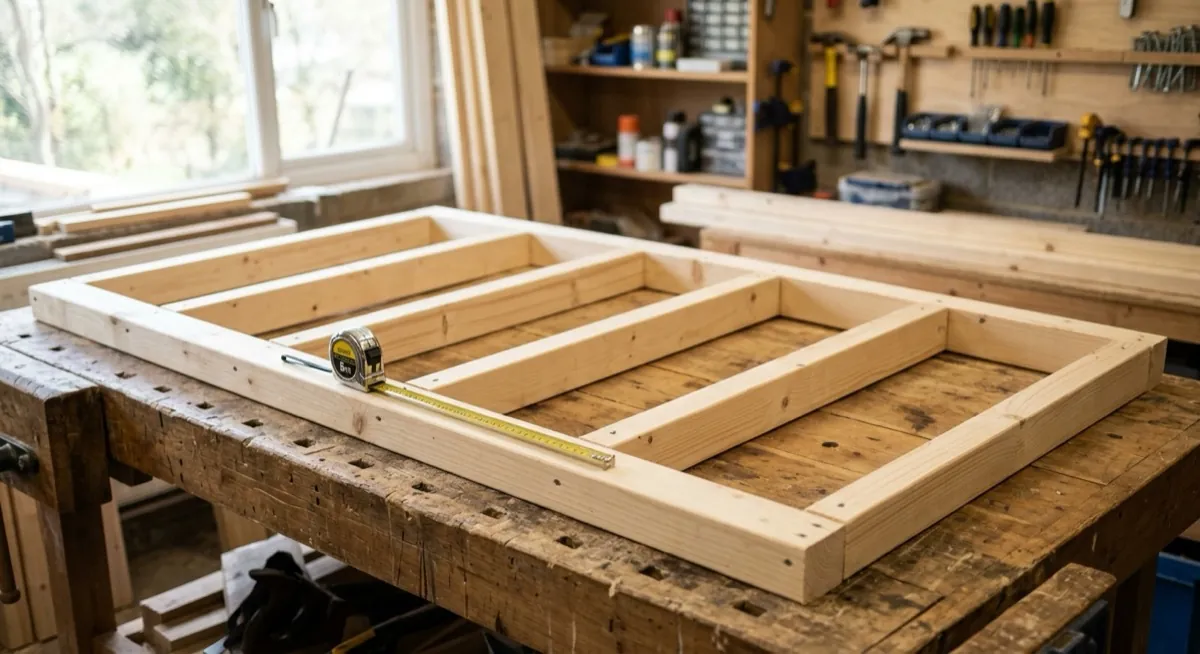
This is what most people actually come here for. For a standard garden shed:
| Part of the shed | Typical timber | Notes |
|---|---|---|
| Bearers (under the floor) | 47 x 75mm or 75 x 50mm treated | Raise the floor off the base for airflow |
| Floor joists | 47 x 100mm treated (47 x 150 for big sheds) | At 400 to 600mm centres |
| Wall studs | 47 x 75mm treated, or 38 x 63/89mm CLS | At 400 to 600mm centres |
| Top & bottom plates | Same as the studs | Tie the wall frame together |
| Noggins (between studs) | Offcuts of the stud timber | Stiffen the wall, back the cladding joints |
| Rafters | 47 x 100mm treated | 47 x 75 fine on small spans |
| Ridge board (apex) | 25 x 150mm or 47 x 150mm | Rafters meet here at the top |
| Roof & floor deck | 18mm OSB3 or T&G board | Sheet material, not framing timber |
| Cladding battens | 25 x 50mm treated | Only for battened cladding systems |
You do not have to work out sections, spacings and quantities by hand. Our free shed builder picks appropriate timber sizes for your design and generates the full cutting and materials list, priced to current merchant rates.
Frequently Asked Questions
What does 4x2 timber actually measure?
What is the difference between C16 and C24 timber?
What is CLS timber and should I use it for a shed?
Do I need treated or untreated timber for a shed?
What size timber do I need for shed floor joists?
Is planed (PAR) timber worth the extra cost for a shed?
Summary
- "4x2" means 47 x 100mm sawn; always work to the metric size, and remember planed is smaller
- C16 suits most shed framing; pay for C24 only where stiffness matters
- CLS is smooth planed studwork (38x63/38x89), great for walls; use treated sawn for floors, bearers and anything exposed
- Sawn treated timber is the right choice for the structure, planed for what you see
- Floor joists 47x100, studs 47x75 or CLS, rafters 47x100, bearers 47x75, at 400 to 600mm centres
Let the Builder Pick the Timber
Design your shed and our free builder specifies the right timber sizes and quantities for every part, with a full cutting list and current-price materials list.
Open the Shed Builder