Are Log Cabins Worth It? An Honest UK Buying Guide
Garden log cabins cost two to four times a shed. This honest guide covers wall thickness, what the premium actually buys, hidden costs, and when a cabin beats a shed or a garden room.
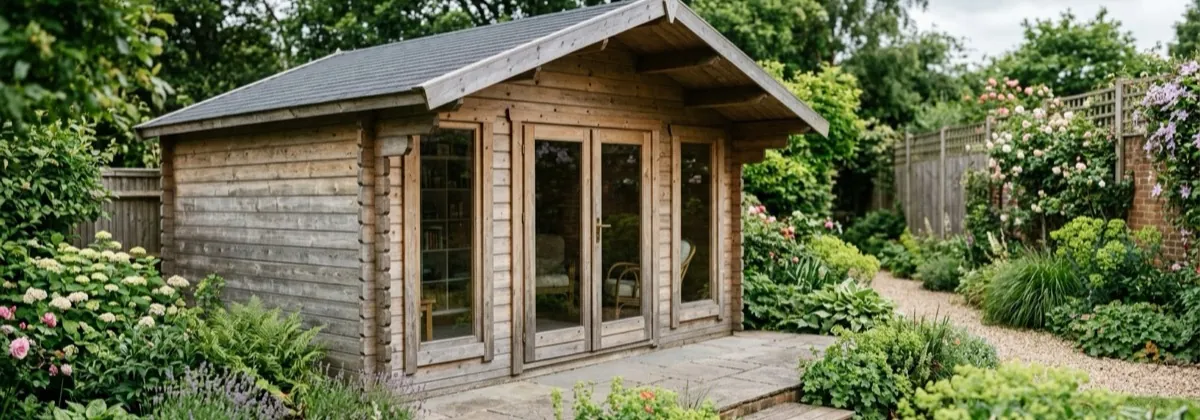
A garden log cabin costs two to four times the price of a shed the same size, and the brochures work hard to justify that. Sometimes it is justified: a cabin is a fundamentally different building that does things no shed can. Sometimes you are paying a premium for a look. This guide explains exactly what the extra money buys, where the hidden costs sit, and how to decide which side of the line your project falls on.
What Makes a Cabin Structurally Different
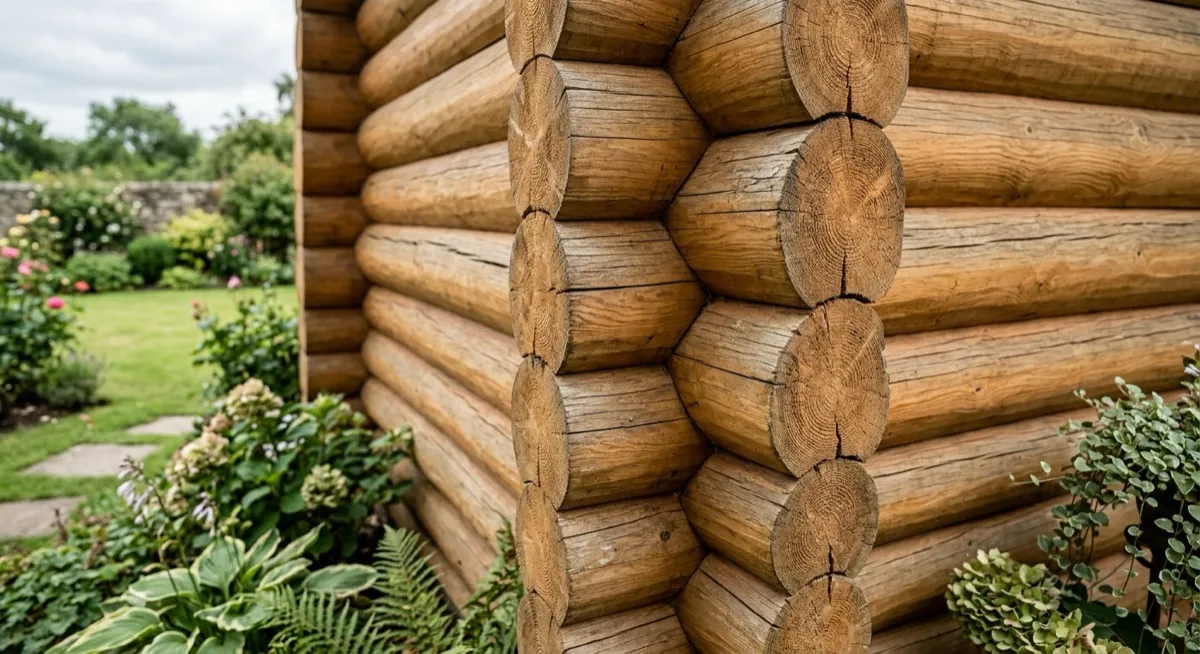
A shed is a light timber frame with thin cladding nailed to it, typically 12–15mm of wood between you and the weather. A log cabin has no frame at all: the walls are solid machined logs, 19mm to 70mm thick, stacked and interlocked at the corners so the timber itself is the structure. That one difference drives everything else:
- Thermal mass and insulation: 44mm of solid timber holds warmth in a way 12mm of cladding never will; cabins are usable rooms, not just stores
- Rigidity: solid walls take shelves, cupboards, a TV bracket, anything, anywhere, and the building does not drum or flex in wind
- Sound: noticeably quieter inside, relevant for offices and music rooms
- Glazing quality: cabins typically ship with proper joinery-made doors and windows, often double glazed, rather than shed-grade frames
- Longevity: thicker timber weathers neglect better; the same rot takes years longer to matter
Wall Thickness Decoded (the Number That Sets the Price)
Cabin pricing tracks wall thickness more than any other spec, and matching thickness to use is where buyers most often over- or under-spend:
| Thickness | Honest capability | Typical 3x3m price |
|---|---|---|
| 19–28mm | Posh shed / summerhouse. Three-season use, storage, garden lounging. Not a winter room. | £1,000–£2,000 |
| 34mm | The sweet spot for regular spring-to-autumn use; winter-capable with a heater and insulated floor. | £1,800–£3,000 |
| 44mm | Genuine year-round room: office, gym, studio. Pair with double glazing and insulated floor/roof. | £2,500–£4,500 |
| 58–70mm | Premium builds; diminishing thermal returns but better joinery and presence. | £4,000+ |
Heat leaves through the floor and roof too. A 44mm cabin with a bare floor and 18mm roof boards loses its advantage fast; budget for floor and roof insulation on any year-round cabin, and double glazing before extra wall millimetres.
When a Cabin Is Worth It, and When It Isn't
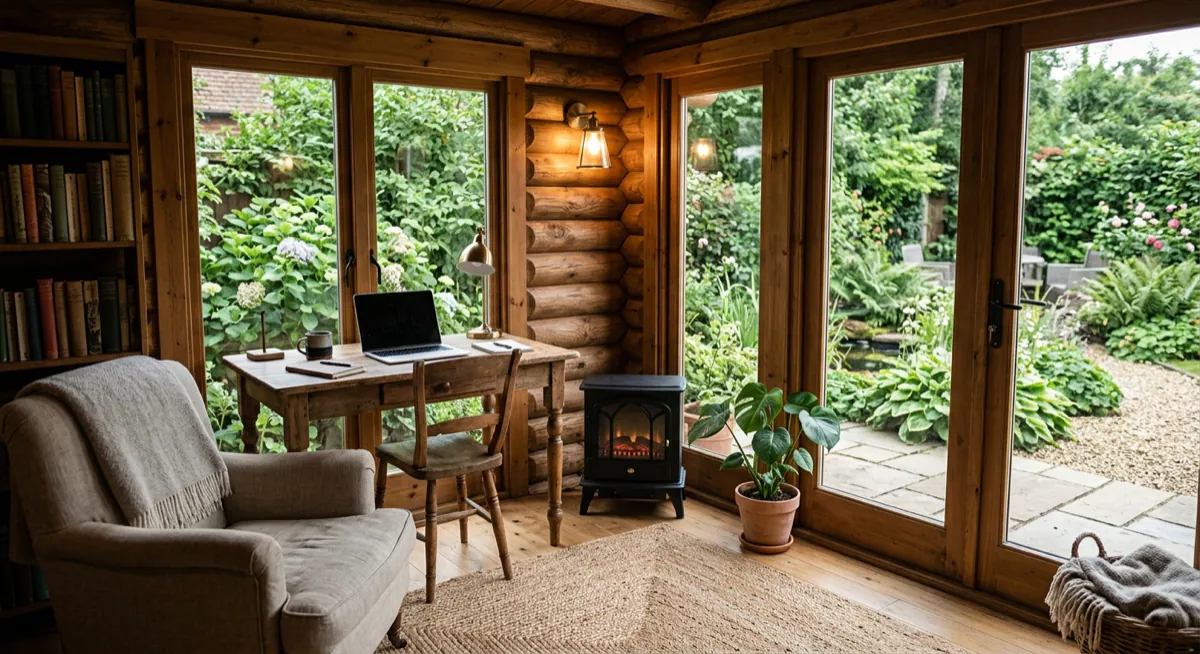
Worth it:
- A year-round garden office or gym, the 44mm cabin plus insulation route lands at £3,000–£6,000 all-in, versus £8,000–£25,000 for a turnkey garden room, and skips most of the shed conversion work
- A proper entertaining space, garden bars and dining cabins benefit from the rigidity, glazing and warmth (our pub shed guide readers upgrade to cabins constantly)
- Anywhere you would otherwise buy the most expensive summerhouse, at the top of the summerhouse market the cabin is often the same money and a better building
Not worth it:
- Storage. Lawnmowers do not appreciate thermal mass. A good shed at a third of the price does the job; see our materials comparison
- A tight budget stretched to a 19mm cabin, at that thickness you are buying the cabin look without the cabin performance, and a well-built 34mm-equivalent shed with insulation can beat it
- A damp, shaded plot you won't maintain, cabins forgive neglect slower than sheds, but the treatment routine is identical and a £4,000 building deserves it
Assembly Reality Check
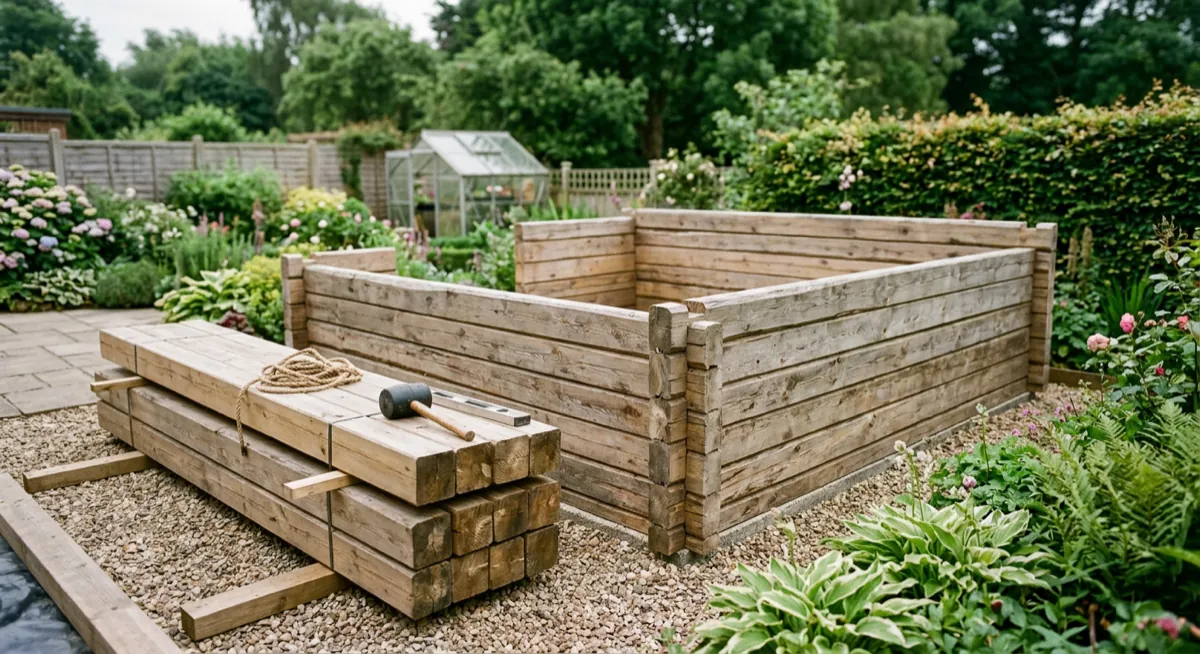
Cabin assembly is honest DIY: the logs slot together like oversized Lego and two capable people raise a 3x3m cabin in a long weekend. The parts that actually matter:
- The base must be dead level. Solid-wall buildings do not tolerate the out-of-level that a framed shed shrugs off; doors and windows will jam
- Respect settling. Solid timber walls drop 20–40mm in the first year as the logs season. Never screw trims, frames or internal fixtures rigidly across multiple logs, use the slotted fixings provided
- Treat before furnishing. Bare logs drink their first coats; doing it while the building is empty is half the effort
- Two people, a rubber mallet, a level and patience; the manual's sequence is not optional advice
Frequently Asked Questions
How long does a garden log cabin last?
Do log cabins need planning permission?
Can you use a log cabin all year round?
What wall thickness do I actually need?
Do log cabins need maintenance like sheds?
Summary
- A cabin is a solid-wall building, not a thick shed: warmth, rigidity and joinery are what the premium buys
- Match thickness to use: 19–28mm posh shed, 34mm three-season room, 44mm year-round office
- Worth it for rooms people occupy; not worth it for storage
- Budget the hidden £1,000+: slab base, immediate treatment, insulation, gutters, electrics
- Assembly is a DIY weekend, but the base must be level and the settling rules respected
Or Build the Timber Route
Compare the cabin price against building a heavy-duty timber shed to the same footprint: our free builder gives you the full materials cost in seconds.
Open the Shed Builder