Summerhouse vs Shed: Which Garden Building Do You Need?
Summerhouse or shed? They cost similar money but do very different jobs. This guide compares purpose, glazing, comfort, placement and price so you buy the right building first time.
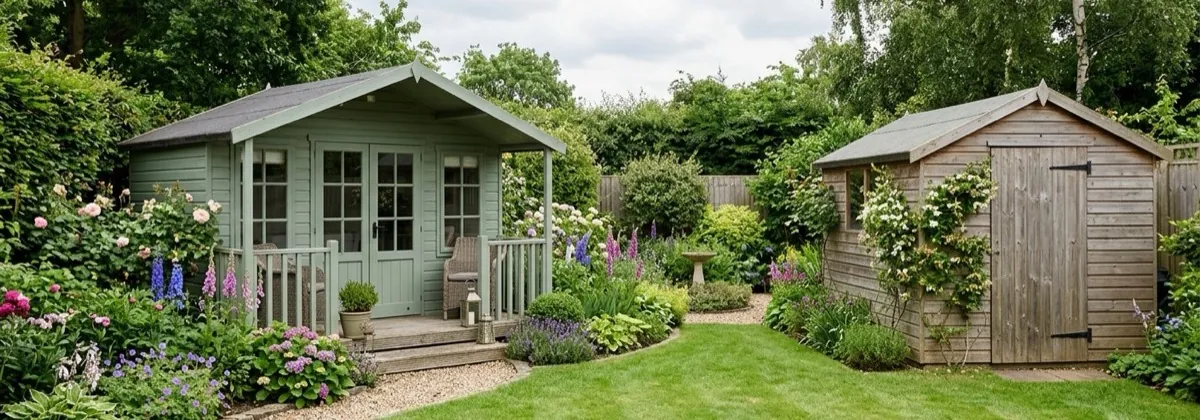
Sheds and summerhouses sit side by side in every garden centre catalogue at overlapping prices, which is exactly how people end up with the wrong one: a summerhouse slowly filling with lawnmowers, or a shed with a chair squeezed in that nobody ever sits on. They are different tools. This guide sets out the real differences so you buy the building you will actually use.
What Actually Differs
Strip away the styling and the two buildings differ in one fundamental way: a shed is designed around its contents, a summerhouse around its occupants. Everything else follows from that.
| Shed | Summerhouse | |
|---|---|---|
| Built for | Storage and workspace | Sitting, relaxing, entertaining |
| Glazing | Small window or none | Large glazed doors + windows, often most of the front |
| Doors | Single practical door | Double doors that open the front up |
| Position | Hidden, shaded corners fine | Needs sun and a view |
| Interior | Bare, hooks and shelves | Often lined, painted, furnished |
| Security | Solid walls help | All that glass works against it |
| Typical use season | All year (as storage) | Spring to autumn unless insulated |
When a Shed Is the Right Buy
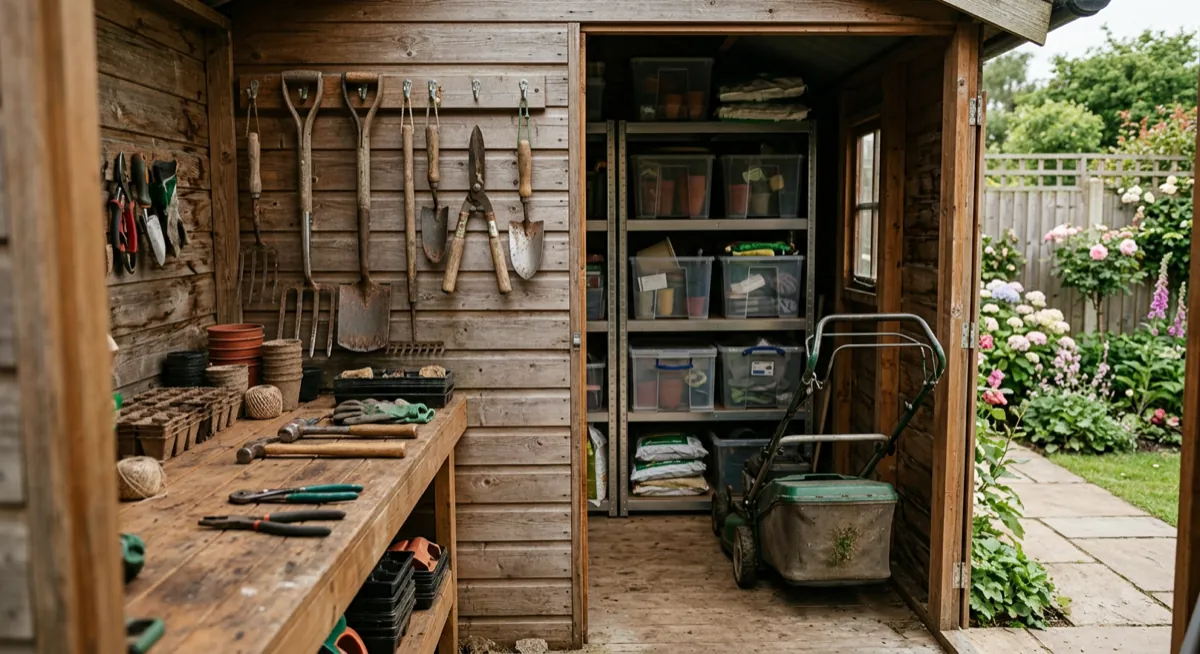
Buy (or build) a shed when the job is fundamentally practical:
- Storage first: mower, bikes, tools, furniture cushions, the overflow of family life. Solid walls, shelves and hooks beat windows every time.
- A working space: potting bench, workshop, repair bench. You want wall space for tools, not glazing; see our size guide for workshop dimensions.
- An awkward site: sheds are happy in the shaded, ugly corner where a summerhouse would be pointless.
- Security matters: fewer, smaller windows are inherently more secure, and easier to harden with the measures in our security guide.
When a Summerhouse Is the Right Buy
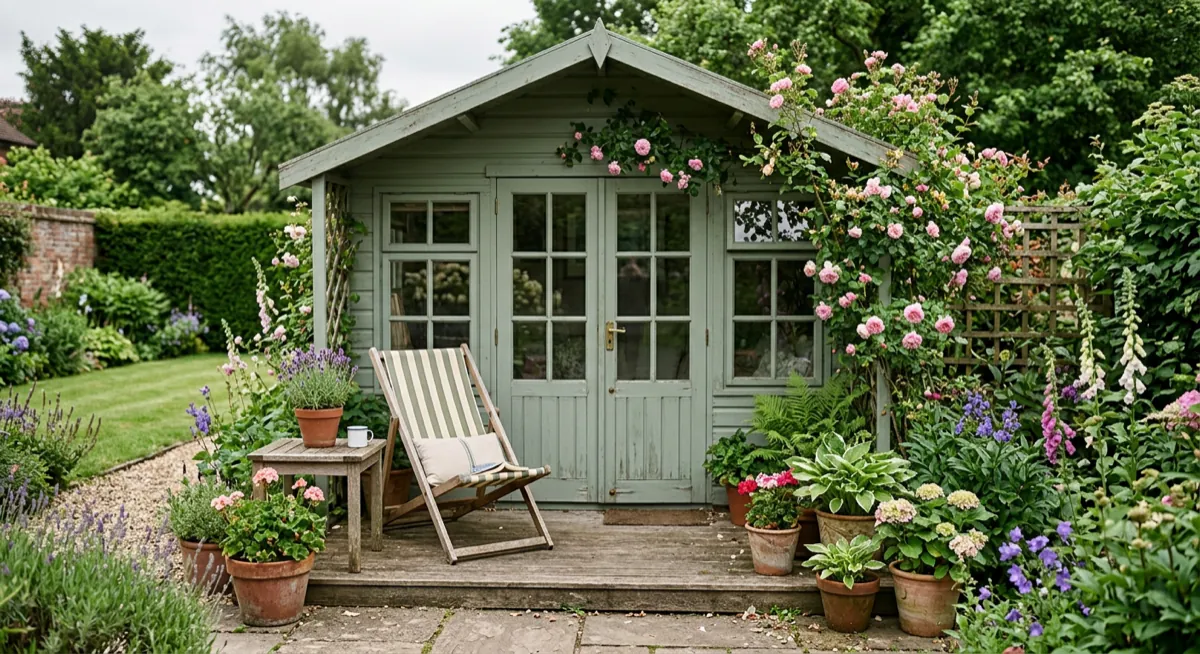
Buy a summerhouse when the point is to be in the garden, sheltered:
- A sitting room outdoors: morning coffee, reading, somewhere for guests to gather that is not the kitchen. The glazing is the feature you are paying for.
- A hobby room with light: painting, sewing, music. North light through big windows is something no shed offers.
- A garden feature: a well-placed summerhouse is a focal point that makes the whole garden feel designed.
- A garden bar: half the pub sheds we cover start life as summerhouses; the glazed front and double doors are perfect for it.
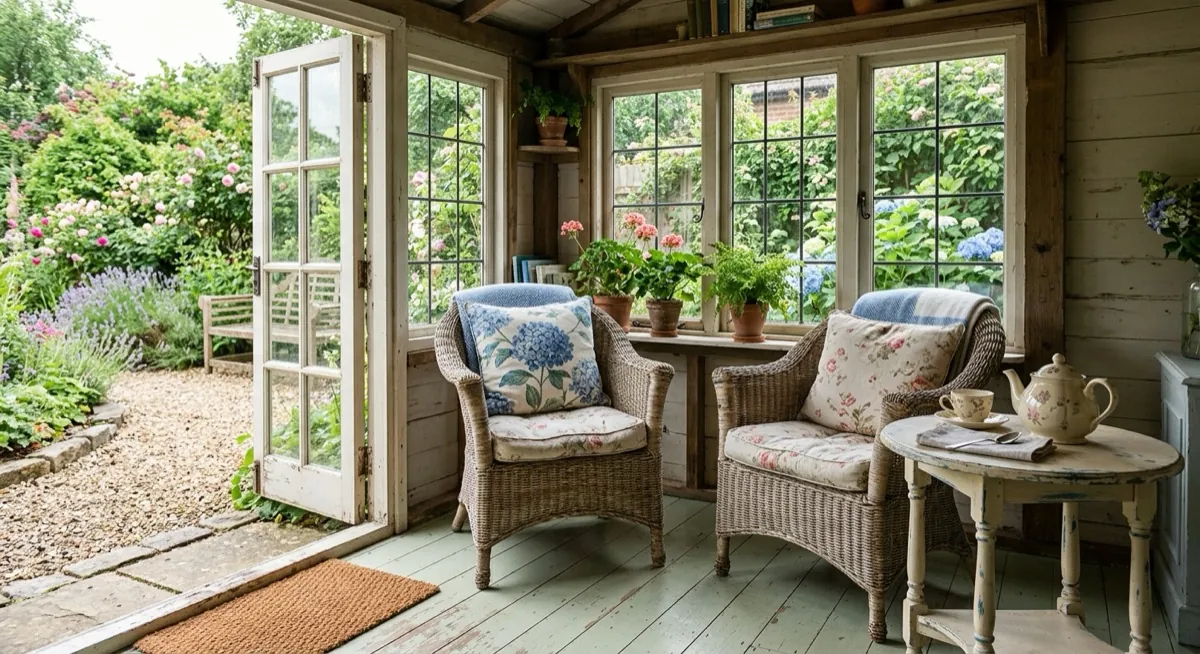
Corner summerhouses with a side store, or a summerhouse plus a small tool shed elsewhere, solve the storage-versus-sitting conflict far better than compromising one building.
Placement and Orientation
Placement rules differ completely between the two, and getting this wrong wastes a summerhouse entirely:
- Summerhouses want sun at the time you will use them. A west-facing front catches evening sun for after-work sitting; south-east suits morning coffee. Stand in the proposed spot at the hour you expect to use it before you order anything.
- Summerhouses want a view, of the garden, not of the back fence. Angling a corner summerhouse across the garden's long diagonal often works best.
- Sheds want access and modesty: near the gate or greenhouse for tools, screened from the main view, and shade is positively good for the contents.
- Both want air and a solid base: 450mm+ clearance all round for maintenance, and a proper foundation. Both fall under the same permitted development rules, including the 2.5m height cap within 2m of a boundary.
Cost Comparison
Typical ready-made prices for popular sizes (wooden, mid-range):
| Size | Shed | Summerhouse |
|---|---|---|
| 6x4 / 6x6 | £300–£900 | £500–£1,200 |
| 7x5 / 8x6 | £400–£1,500 | £650–£1,800 |
| 8x8 / 10x8 | £700–£2,500 | £900–£3,000+ |
Like-for-like, the summerhouse costs roughly 20–40% more, which is the price of the glazing and joinery. If the decision is really about budget, remember you can also compare building versus buying for the shed side of the equation; glazed summerhouse joinery is much harder to DIY well.
Frequently Asked Questions
What is the actual difference between a summerhouse and a shed?
Can I use a summerhouse for storage?
Do summerhouses need planning permission?
Can you sit in a summerhouse in winter?
Which adds more value to a garden, a shed or a summerhouse?
Summary
- A shed serves its contents; a summerhouse serves you, choose by the job, not the catalogue page
- Storage, workshop, security or an ugly corner → shed
- Sitting, light, entertaining or a garden focal point → summerhouse
- Summerhouse placement is everything: sun at your hour of use, and a view worth glazing
- Expect to pay 20–40% more for a summerhouse of the same size, and treat both like any timber building
Decided on a Shed?
Design it to your exact size with our free builder: full materials list, cutting plan and estimated cost in seconds.
Open the Shed Builder