Ex-Display Sheds: The Complete Buyer's Guide
Everything about ex-display sheds: what ex-display, ex-demo, clearance, graded and shop-soiled really mean, how much you save, the pros and cons, where to find them, and exactly what to check before you buy.
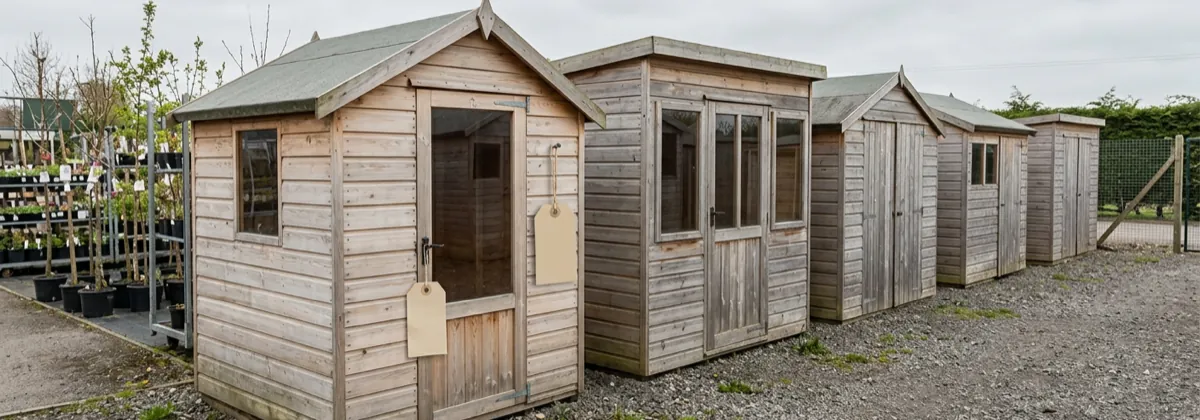
An ex-display shed is one of the best-kept secrets in garden buying: a genuine, structurally sound shed at 20 to 50 percent off, for the price of a little cosmetic wear and a bit of flexibility. Retailers build sheds to show them off, then need to clear the space, and that is your opportunity. But "ex-display" sits among a fog of terms, ex-demo, clearance, graded, shop-soiled, end-of-line, and each means something slightly different. This guide cuts through all of it, tells you exactly what you are buying, how much to expect to save, and the checks that separate a bargain from a mistake.
Ex-Display, Ex-Demo, Clearance, Graded: What Each Term Really Means
Retailers use these words loosely and sometimes interchangeably, which is exactly why buyers get caught out. Here is what each one actually tells you about the shed:
| Term | What it means | Condition |
|---|---|---|
| Ex-display | Built and shown in a shop or garden-centre display | Assembled, weathered outdoors, cosmetic wear likely |
| Ex-demo | Assembled to demonstrate the product (much like ex-display) | Structurally new, cosmetically used |
| Clearance | Being cleared to free space or refresh the range | Varies, can be new-boxed or display stock |
| Graded / B-grade / seconds | Has a known, disclosed fault | Often still flat-packed; get the fault described |
| Shop-soiled | Minor handling marks from the shop floor | Essentially new with light cosmetic marks |
| End-of-line / discontinued | Model being retired from the range | Usually brand new, just no longer stocked |
| Customer return | Returned by a previous buyer | Ask why it came back, could be trivial or not |
Whatever the label, ask: "Is it assembled or flat-packed, and what exactly is wrong with it?" The answer tells you the real condition, the transport headache, and whether the discount is justified, far more reliably than the marketing word attached to it.
How Much Do You Actually Save?
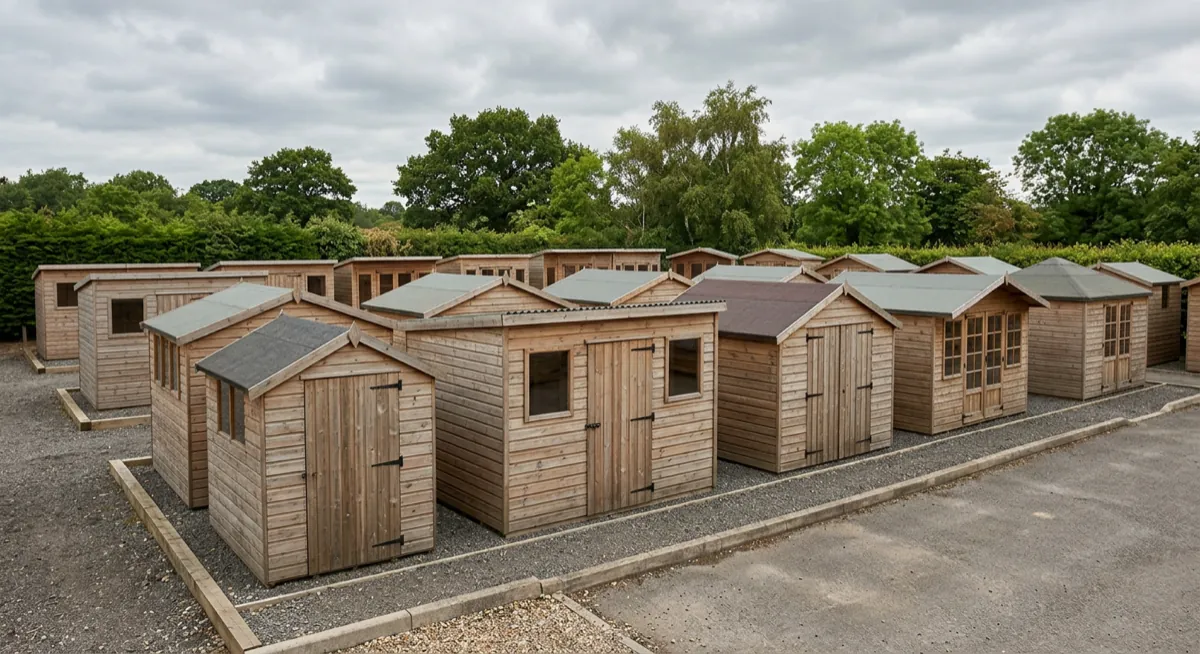
The typical discount is 20 to 50 percent off the new price, and occasionally more at an aggressive end-of-season clear-out. A shed that lists at £600 new might sell ex-display for anywhere between £350 and £480. The size of the discount usually tracks two things: how weathered the unit is, and how badly the retailer needs the space back.
That makes timing everything. The best ex-display deals appear from late summer into autumn (roughly August to October), when garden centres refresh their displays before winter and want the old stock gone. Turn up in spring and the same shed will be full price with a queue behind you.
The Pros of Buying Ex-Display
- The saving is real and large. A fifth to a half off a decent shed is money that stays in your pocket, and it is the same shed underneath.
- You see the actual unit. Unlike buying flat-packed and boxed, you can walk around an ex-display shed, open the door, check the headroom and judge the build quality before you pay.
- It is often better built than a budget new shed. A mid-range ex-display model at a budget price can beat a brand-new cheap shed for the same money, thicker cladding, better joinery, a proper floor.
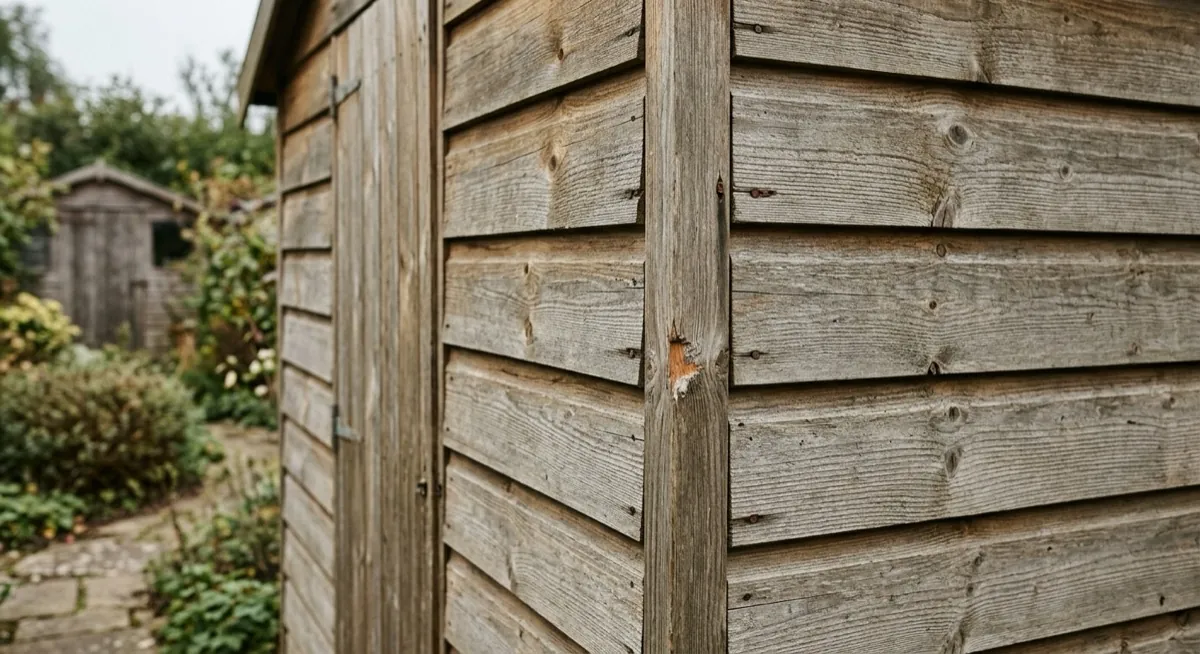
- The wear is usually cosmetic. Sun-fading, a scuff or a weather-greyed panel are surface issues that a wash and a coat of treatment put right.
- It is greener. Buying an existing unit rather than manufacturing a new one is the sustainable choice.
The Cons and Risks
- No returns and little or no warranty. Most ex-display sheds are sold as seen. You are trading the guarantee for the discount, so the inspection matters more.
- You take what is there. One shed, one size, one colour. If you need an exact size or a specific style, ex-display may not have it.
- Dismantling and transport are often your problem. An assembled shed has to be taken apart, moved and rebuilt. Without a van, help and some confidence, the transport can erode the saving, see the checklist below.
- Weather damage can be more than cosmetic. A display shed left out for a season with a poor roof can have damp or the first signs of rot. That is what the inspection is for.
- Missing fixings or instructions. Display units lose screws, trims and paperwork. Confirm what comes with it.
Where to Find Ex-Display Sheds
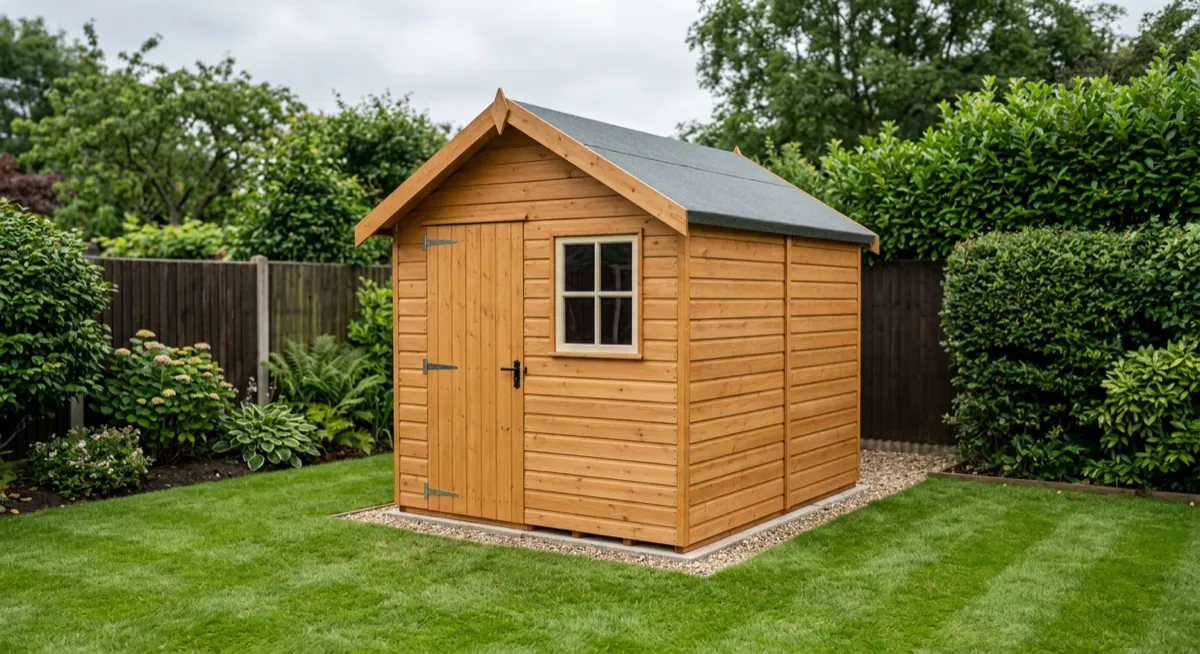
- Garden centres and shed showrooms. The classic source. Ask directly when they refresh their display and whether any units are for sale, staff will often deal before the season ends.
- Shed manufacturers and big retailers. Many have a clearance, graded or ex-display section, online or at the factory, where display, returned and end-of-line stock is discounted.
- Online clearance categories. Larger online shed retailers list ex-display and graded units; the choice is national rather than whatever your local centre happens to have.
- Marketplaces (eBay, Facebook Marketplace). Retailers and homeowners sell display and surplus sheds here. Great value, but you are firmly in "collection only, sold as seen" territory, so inspect in person.
- Auctions and trade clearances. Occasionally whole display ranges go under the hammer at real bargains, for buyers who can move quickly and transport themselves.
The Ex-Display Inspection Checklist
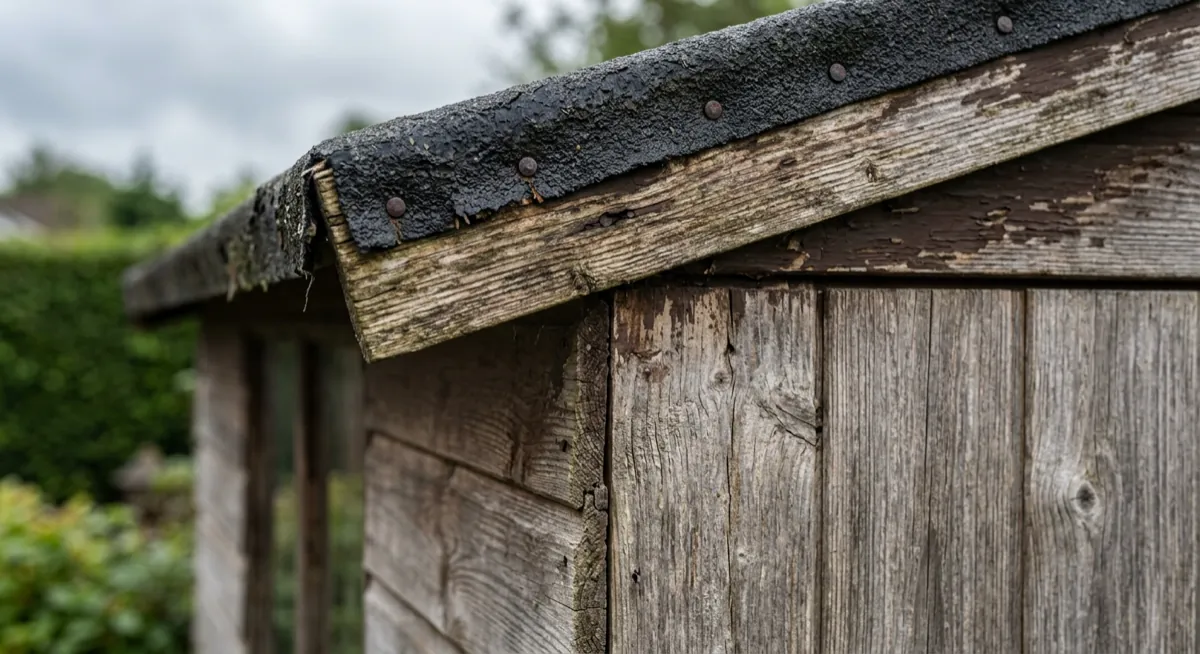
With no warranty to fall back on, the inspection is everything. Run through this before you hand over a penny:
- The roof. Check the felt or covering for tears, lifting and sagging. The roof is where a neglected display shed fails first, and a re-cover is a job, though our felt guide makes it a half-day one.
- The floor and lower framing. Press and probe the floor, corners and bottom boards for softness or dark, damp timber, the classic signs of water damage. Cosmetic grey is fine; soft and springy is not.
- Doors and windows. Open and close them. A door that binds may just need easing, or may signal a frame that has twisted out of square.
- Cladding. Look for splits, big gaps and boards that have cupped. Fading and greying are cosmetic; splits that let water in are not.
- Squareness. Stand back and check the shed looks true, not leaning or racked. A twisted display unit is hard to rebuild straight.
- What is included. Confirm all fixings, trims, glazing and instructions come with it, and get the dismantling and transport arrangement in writing.
The whole game with ex-display is telling cosmetic wear (fading, scuffs, grey timber, tired felt) from structural damage (rot, twist, sagging roof). The first is what you are being paid to accept; the second is a shed to walk away from, no matter how big the discount.
Ex-Display vs Buying New vs Building Your Own
Ex-display is one of three honest routes to a shed, and the right one depends on what you value most:
| Ex-display | Buy new | Build your own | |
|---|---|---|---|
| Cost | Lowest for a given quality | Higher, set price | Varies; often dearer on materials for small sizes |
| Choice | Whatever is available | Full range of sizes/styles | Any size you like |
| Warranty | Little or none | Full manufacturer cover | N/A (it is yours) |
| Effort | Inspect, transport, rebuild | Delivered, assemble | The whole build |
| Best for | Bargain hunters who can be flexible | Certainty and choice | Custom sizes and control |
If a good ex-display shed in the right size turns up, grab it. If it does not, buying new gives you the exact shed with a warranty, and building your own wins on custom sizes and quality. Not sure which way the numbers fall? Our Build vs Buy tool compares the DIY materials cost against ready-made sheds at live prices, and our cost breakdown guide shows what building actually costs.
Frequently Asked Questions
Are ex-display sheds worth buying?
What is the difference between ex-display and ex-demo?
What does "graded" or "B-grade" mean for a shed?
How much cheaper are ex-display sheds?
Do ex-display sheds come with a warranty?
Who dismantles and delivers an ex-display shed?
Where can I buy ex-display sheds?
Summary
- Ex-display sheds save 20 to 50 percent; the wear is usually cosmetic, not structural
- Learn the terms: ex-display and ex-demo are assembled/weathered; graded has a disclosed fault; end-of-line is often brand new
- Buy late summer to autumn, when displays are cleared
- The trade-offs are no warranty, no returns, and DIY transport, so the inspection is everything
- Tell cosmetic wear from structural damage; if a good one appears, it is one of the best-value sheds you can buy
No Ex-Display Bargain in Your Size?
Compare buying new against building your own with our free tools: live ready-made prices next to your DIY materials cost, for any size.