Shed Cladding Options Compared: Which Is Best?
Compare overlap, shiplap, tongue and groove, waney edge and log lap shed cladding by appearance, weather resistance, cost and maintenance to pick the best.
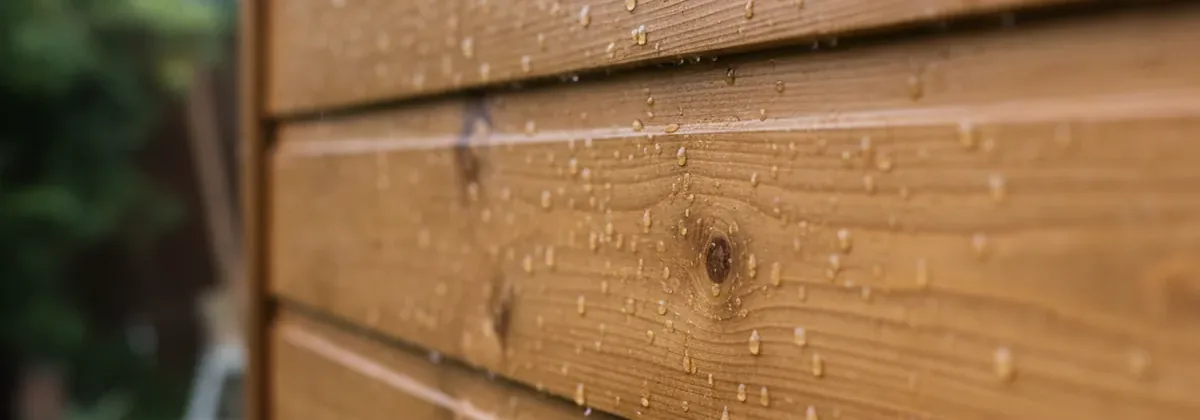
Cladding is the timber skin of your shed, and it does far more than set the look. It is your first line of defence against driving rain, it influences how warm and dry the inside stays, and it dictates how much weekend maintenance you sign up for. Choosing well at the start saves money and hassle for years. This guide compares the five most common UK shed cladding types on appearance, weather resistance, cost, typical use and maintenance, so you can match the right boards to the right job.
Board width and effective cover are not the same thing. Because boards overlap or interlock, the effective cover (the width each board actually adds to the wall) is always less than the board width. That gap matters when you work out how many boards you need.
Overlap Featheredge
Overlap, also called featheredge, is the classic budget cladding you will recognise from countless garden sheds. Each board is sawn into a wedge shape, thick along one edge and tapering to a fine edge along the other. The boards are nailed on horizontally so the thick edge of each board overlaps the thin edge of the one below, shedding water down the face of the wall.
Appearance: Honest and rustic. The stepped, layered look is traditional and unfussy, but the rough-sawn surface is coarser than the smoother interlocking profiles. It suits informal gardens and basic storage buildings.
Weather resistance: Basic but adequate. With 150mm boards giving roughly 125mm of effective cover and around 25mm of overlap, rain runs off the face well enough, but the simple lapped joint offers less protection than a rebated or interlocked one. The thin 15mm boards can also cup and warp if left untreated.
Cost: The cheapest option by a clear margin, which is why it dominates the value end of the market.
Typical use: General storage sheds, allotment huts and anywhere budget is the priority. If you are pricing up an overlap shed, expect the lowest material cost of any cladding here.
Maintenance: Needs the most attention. Plan to treat it regularly, as the thin boards and exposed end grain are quick to grey and split if neglected.
Shiplap
Shiplap is the quality choice that most people settle on, and for good reason. Each board is machined with a rebate so that it interlocks with its neighbours, and the profile includes a small concave lip that channels rainwater away from the joint rather than into it. The result is a wall that looks neat and copes well with the British weather.
The shaped notch in a shiplap board forms a drip channel. Water runs down the face, drops clear at the lip and never sits in the joint, which is the single biggest reason it outperforms plain overlap.
Appearance: Smart and consistent. The machined boards sit flat with a clean shadow line between each course, giving a tidier finish than overlap without the cost of premium profiles.
Weather resistance: Excellent, the best of the group. The rebated interlock and drip channel, on a solid 19mm board, make shiplap the most rain-resistant cladding here. With 125mm boards giving around 113mm of effective cover, the joints stay tight and dry.
Cost: Mid-range. It costs more than overlap but delivers a clear step up in protection and looks, which is why it is the popular all-rounder.
Typical use: Quality general-purpose sheds, workshops and anything that needs to stay dry inside. A shiplap shed is the sensible default for most buyers.
Maintenance: Moderate. It still needs treating, but the thicker, tighter boards are more forgiving than overlap and hold a finish longer.
Tongue and Groove
Tongue and groove is the premium interlocking board. One edge of each board carries a protruding tongue and the opposite edge a matching groove, so the boards slot together and pull up tight into a flat, almost seamless surface. It is the same jointing system used for quality flooring and panelling.
Appearance: The best finish of any option here. The flat face and fine joints look refined rather than rustic, and the surface takes paint and stain beautifully. With narrower 100mm boards giving around 90mm of effective cover, the lines are finer and more elegant.
Weather resistance: Very good. The tight tongue-and-groove joint resists water well, although on a vertical wall it does not throw water clear quite as aggressively as a shiplap drip channel, which is why shiplap edges ahead for pure exterior weatherproofing.
Cost: Premium, at the top of the range alongside log lap.
Typical use: Garden offices, summerhouses and cabins. Because the flat inner face takes lining and insulation cleanly, tongue and groove is the natural choice when the building needs to be comfortable to sit in. It pairs well with a log cabin style build or a high-spec garden room.
Maintenance: Moderate, similar to shiplap. It needs treating, but the smooth, tight surface is easy to coat and looks good for longer.
Waney Edge
Waney edge keeps the natural, irregular edge of the tree (the wane) along one side of each board. No two boards are quite the same, which gives a deeply rustic, characterful wall. The boards are wide and lapped, much like overlap, but with that live, undulating edge on show.
Appearance: Highly decorative and full of character. If you want a shed that looks rural and organic rather than crisp and modern, waney edge delivers it like nothing else.
Weather resistance: Lower, on a par with overlap. The uneven edges leave irregular gaps and the lapped joint is simple, so it sheds rain reasonably but does not seal as tightly as the machined profiles. The thicker 22mm boards do help with durability.
Cost: Moderate. It sits above overlap thanks to the distinctive boards, but below the premium interlocking profiles.
Typical use: Decorative garden buildings, rustic stores, summerhouses in cottage gardens and anywhere appearance matters more than maximum weatherproofing.
Maintenance: Higher. The irregular surface and exposed natural edges need regular treating, and the varied profile takes a little more effort to coat evenly.
Log Lap
Log lap gives you the look of a solid log cabin without the cost or weight of actual logs. Each board has a thick, gently curved half-round face, so once fitted the wall has the rounded, substantial appearance of stacked timber. At around 28mm thick these are the heaviest, chunkiest boards in this comparison.
Appearance: Distinctive cabin look. The bold half-round profile reads as solid and high-end, and it stands out clearly from flatter cladding. It is a strong choice when you want the shed to feel like a proper retreat.
Weather resistance: Very good. The thick 28mm boards interlock and the depth of timber gives real durability, with around 110mm of effective cover from each 125mm board. It comes close to shiplap, with the bonus of extra mass.
Cost: Premium, alongside tongue and groove. You pay for the thicker timber and the cabin aesthetic.
Typical use: Log cabin style buildings, summerhouses and feature garden rooms where a chunky, solid look is the goal.
Maintenance: Moderate. It needs treating like everything else, but the thick boards are robust. Bear in mind the extra weight means a sound, level base and solid framing are even more important.
Thick log lap and tongue and groove add weight to the walls. Make sure your groundwork is up to the job before you build, and read our guide on how to build a shed foundation if you have any doubt.
Side by Side Comparison
The table below ranks the five cladding types so you can weigh them up at a glance. The cost and weather ratings reflect how each board performs in real-world UK conditions.
| Cladding | Cost | Weather Resistance | Appearance | Best For |
|---|---|---|---|---|
| Overlap Featheredge | £ (cheapest) | Basic | Rustic | Budget storage sheds |
| Shiplap | ££ | Excellent (best) | Smart | Quality all-round sheds and workshops |
| Tongue and Groove | £££ | Very good | Premium (best finish) | Garden offices and cabins |
| Waney Edge | ££ | Lower | Highly decorative | Rustic, character garden buildings |
| Log Lap | £££ | Very good | Bold cabin look | Log cabin style retreats |
The headline takeaway: shiplap wins on pure weather resistance, tongue and groove wins on finish and lining, overlap wins on price, while waney edge and log lap win on character at opposite ends of the budget.
How to Choose
The right cladding follows from how you will actually use the building. Work through these questions in order:
1. What is the shed for?
If it is a place to keep the mower and the bikes, overlap or shiplap will do everything you need. If you plan to sit, work or relax inside, lean towards tongue and groove or log lap, which suit insulation and a comfortable interior. Not sure how big it needs to be first? Our guide on choosing the right shed size is the place to start.
2. How exposed is the site?
A shed in a sheltered corner can get away with simpler cladding. One that takes the full force of wind-driven rain wants the best weather resistance you can afford, which points firmly at shiplap.
3. What look do you want?
For a crisp, modern finish choose tongue and groove or shiplap. For rural character choose waney edge. For a solid cabin feel choose log lap. Overlap reads as traditional and practical.
4. What is the budget?
Overlap is cheapest, shiplap and waney edge sit in the middle, and tongue and groove and log lap are the premium picks. Spending a little more on cladding is usually money well spent, because it is hard and disruptive to replace later.
If you cannot decide, shiplap is the safe answer for the vast majority of sheds. It balances cost, looks and weatherproofing better than anything else. Step up to tongue and groove only when you genuinely need a lined, insulated interior.
Treatment and Maintenance
Whatever cladding you choose, one rule never changes: all timber cladding needs treating. Even boards sold as pre-treated have only had a basic factory dip, which protects them in transit and storage rather than for the long term. Skip aftercare and any cladding will grey, split and eventually rot.
The First Year
Most factory dip-treated sheds should get a full coat of quality preservative within the first 12 months, before the original treatment fades. Choose a spirit-based or water-based wood preservative suited to exterior softwood, and follow the manufacturer's coverage rates.
Ongoing Treatment
After the first coat, plan to re-treat every one to three years. The exact interval depends on the product, the colour (darker shades last longer in UV) and how exposed the shed is. Thin overlap and waney edge boards generally need treating more often than thicker shiplap, tongue and groove or log lap.
- Treat in dry, mild weather so the coating soaks in and cures properly
- Pay extra attention to end grain and cut edges, which absorb water fastest
- Clear leaves and debris away from the base to keep the lower boards dry
- Keep cladding clear of soil and foliage so air can circulate and timber can dry
- Check joints and fixings each year and re-coat any bare or worn patches
Cladding lasts longest when it can dry out. A shed raised on a ventilated base with airflow around the walls will outlast an identical one sitting in damp grass, regardless of which boards you chose.
Summary
There is no single best cladding, only the best cladding for your build. To recap:
- Overlap featheredge for the lowest cost and simple storage
- Shiplap for the best weather resistance and the smartest all-round value
- Tongue and groove for the finest finish and a lined, insulated interior
- Waney edge for rustic character on a moderate budget
- Log lap for a solid, premium cabin look
Match the boards to the job, treat them properly from year one, and your shed will look good and stay dry for decades.
Ready to Build Your Shed?
Use our free shed builder tool to choose your cladding, design your shed and get a complete materials list in minutes.
Start Building Now