The Grandparents' Garden Checklist: Getting Ready for the Grandchildren
Five million UK grandparents take on childcare every summer, in gardens that last saw a toddler decades ago. A warm, practical, garden-wide checklist covering the shed, chemicals, medicines, water, tools, plants and play, plus a free printable version for the fridge door.
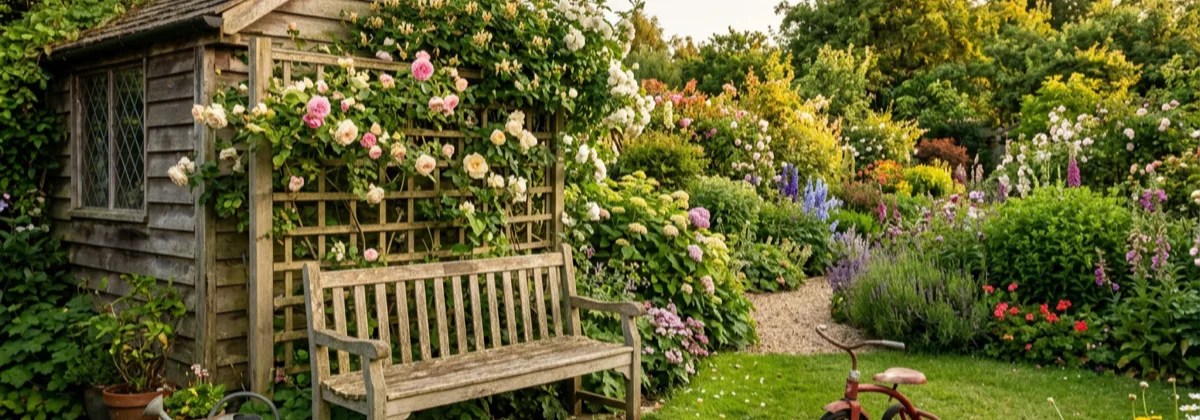
It starts with a phone call. Can you have them Monday? Maybe the week? And of course the answer is yes, it is always yes, because there are 14 million grandparents in this country and more than 5 million of them are the quiet backbone of British childcare: two and a half weeks of cover in an average summer, billions of pounds of childcare done for love. Then you put the phone down, look out at the garden you have spent thirty years getting right, and somewhere underneath the pleasure there is a small, sharp thought that nobody says out loud: it has been a long time since a three-year-old was loose out there.
This checklist is for that thought. Not to feed it, to finish it. Around 300,000 people a year are hurt in British gardens badly enough to need hospital treatment, and more than 100,000 of them are children, which sounds frightening until you notice the other thing the figures say: almost all of it is preventable, and almost all of the preventing takes minutes. One honest pass of the garden before they arrive, a few habits while they are with you, and the worry is done, leaving just the good part: mud, jam sandwiches, and a small person who thinks your garden is the best place on earth.
Why Your Garden Is Different, and Why That Is Mostly Wonderful
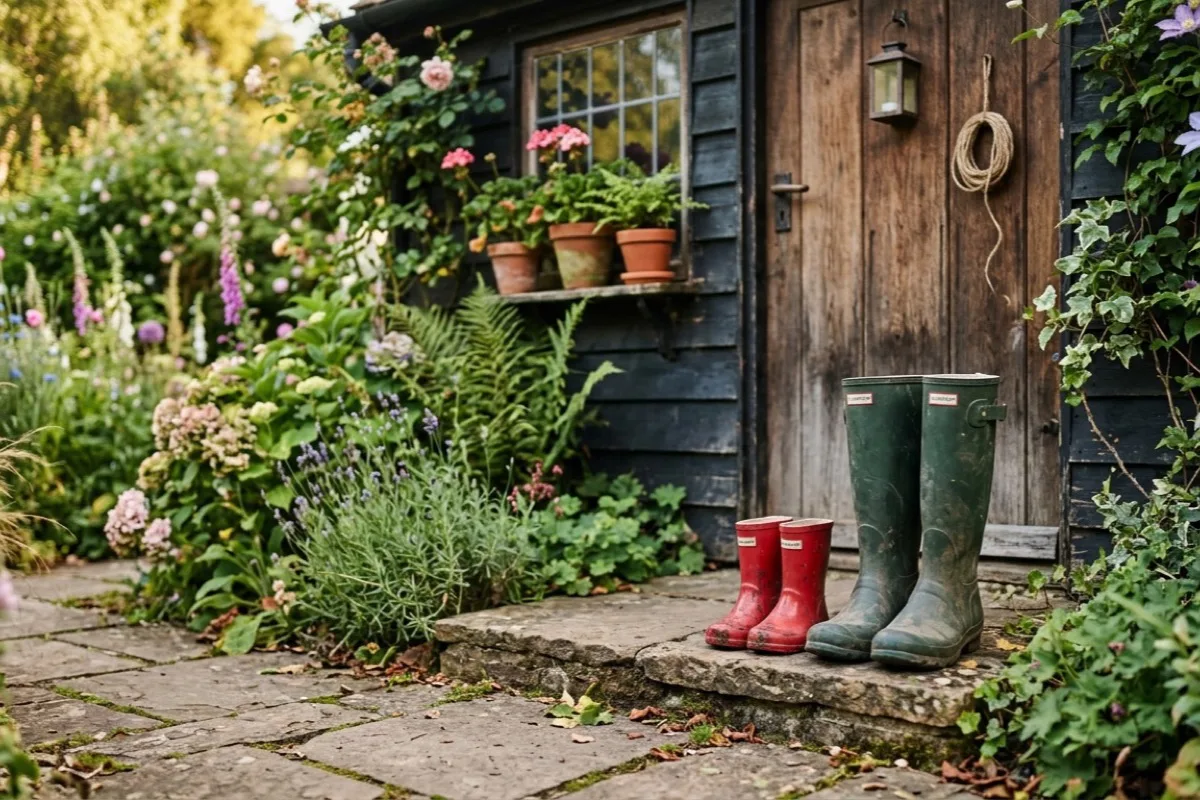
A grandparent's garden is usually the most interesting garden a child ever gets: real tools, real greenhouse, real pond, real compost heap with actual worms, and an adult with actual time. That is exactly why it deserves a different look to the one a young family's garden gets, because the things that make it wonderful are the things that need a second glance:
- It has not been childproofed for decades. Your own children's hazards were dealt with in the eighties and quietly undone since. Nothing about that is neglect; it is just time.
- The kit is older. The mower without a modern blade brake, the ladder that predates standards, the chemicals bought before child-resistant caps. Old tools are often better tools, and they assume an adult is holding them.
- The garden is better. Thirty years of gardening means established ponds, mature planting, a proper working shed. More garden, more to check.
- And one indoor thing that belongs on a garden list: your medication. It travels to the garden bench in a handbag, sits by the kettle, lives on a bedside table, and it is one of the most common causes of poisoning in visiting small children. It gets its own section below because it matters more than any plant in the borders.
The Shed and Workshop
Start where the concentration of hazards is highest. One rule does nearly all the work: the shed is locked whenever you are not in it, and the key lives out of sight and out of reach, not in the padlock. A shed door that opens is not a boundary to a small child; it is an invitation to the most interesting room they have ever seen.
- Blades, saws and secateurs hung above child height, not resting on the bench.
- Petrol capped, minimal and up high; power tool batteries out of reach.
- Nothing mid-project left live: the half-done job with the tool still plugged in is the classic window for trouble.
The full room-by-room version, including fire risks and safe e-bike charging, is in our companion guide to shed safety for families.
Chemicals, and the One About Medicines
Garden chemicals hurt children through one habit above all others: decanting. Weedkiller in an old pop bottle reads, to a three-year-old, as pop. So: original containers only, caps done up, everything up high in the locked shed, and the priority shelf is slug pellets, rodent bait, weedkiller, white spirit and wood treatment. Buy small bottles that get used up rather than bargain sizes that sit for a decade, and let the council waste site take the museum pieces at the back.
Now the harder one, said plainly because it matters: more small children are poisoned by a grandparent's medication than by anything in the shed. Blood pressure tablets, heart medicine and painkillers are dangerous to a toddler in tiny quantities, and they live in exactly the places toddlers explore: handbags, coat pockets, bedside tables, the windowsill by the kettle, the seven-day organiser that opens with a thumb. While the grandchildren are staying, medication lives high up in one closed cupboard, handbags hang off the floor, and the daily organiser goes back up the moment it has done its job. It is a two-minute habit, and of everything on this page it is the one most worth keeping.
Water: Quick, Quiet and the One to Respect Most
A small child can drown in a few centimetres of water, in seconds, in silence. There is no splashing and shouting; that is films. In a real garden the danger list is longer than the pond:
- The pond: fence it, grille it just below the surface, or make it the one non-negotiable never-alone zone. A grille lets the pond stay beautiful and stay safe at once.
- Water butts: deep, dark and exactly climbing height, with the watering can conveniently beside them as a step. Lids on, clipped.
- The paddling pool: emptied when the playing stops, not at bedtime. An abandoned pool on a warm afternoon is the single most common backdrop to garden water incidents.
- Buckets, trugs and wheelbarrows that caught last night's rain: tipped as part of the morning round.
The habit that holds it together: water play is wonderful, and it is a together activity, every time, with no exceptions for "just while I answer the door".
Tools and the Mower
The lawnmower tops the garden casualty tables year after year, and the injuries cluster around two moments: blade contact while cleaning, and small feet nearby while mowing. The rules are short. Children indoors or clearly away while the mower runs; battery out or plug pulled before anything goes near the blade; and the mower stored with the blade side inaccessible. Strimmers throw stones further than you think, and the interesting-looking hedge trimmer belongs in the locked shed the moment it is set down. If a job cannot be finished with small helpers about, it is a job for after they have gone home; the garden will wait, and our maintenance checklist will still be there in September.
Greenhouses, Cold Frames and Glass
A greenhouse is a magic building to a child and a fragile one to a football. Horticultural glass breaks into exactly the shards you would design if you were trying to cause harm. If the grandchildren will be regulars, safety film on the lower panes is cheap and invisible, and any cracked pane gets replaced now rather than someday; the same goes for shed windows, covered in our windows and doors guide. Cold frames at ground level are sitting-height glass: latch them, and make the greenhouse a with-grandad place rather than a play place. Canes get eye-height toppers (a wine cork does it with charm), because a bamboo cane in a border is at a running child's face height precisely.
Gates, Boundaries and the Drive
Toddlers are escapologists, and the classic escape is not over anything: it is through the side gate that has never needed a latch that works. Walk the boundary once: gaps behind the hydrangea a determined two-year-old could post themselves through, the gate latch a four-year-old can reach and work, the front garden route that ends at a road. Then the drive, which deserves respect out of proportion to its size: children move to cars like iron filings, and a reversing car cannot see a crouching child at all. The rule that works is positional: children in the house, or holding a hand, whenever a car on the drive is about to move. No exceptions, including for the parents arriving to collect.
Plants and Berries: a Short, Calm List
Every few summers a scare story implies the herbaceous border is a minefield. It is not, and nobody is digging up a thirty-year garden for a fortnight's visit. The honest position: serious plant poisonings are rare, a handful of species deserve respect, and one rule does the heavy lifting. The ones worth knowing in a traditional garden are foxglove, laburnum, yew (the berries), monkshood and lily of the valley, plus the universal category of unidentified berries, which to a child are simply currants with better marketing. The rule to teach, cheerfully and often: nothing from the garden goes in mouths unless a grown-up handed it to you. Then supervise the age group that ignores rules, and let the strawberry patch be the glorious exception that proves it.
Play Equipment, Inherited and Otherwise
The swing set that served your own children thirty years ago has been quietly rusting ever since, and the rope on the tree swing has been weathering longer than the grandchild has been alive. Before the first go: shake the frame, check ropes and chains for fraying and rust, look at what is underneath (grass over concrete is not a soft landing), and retire anything that fails with honour. A trampoline that arrives for the visit is the single biggest injury-magnet in modern gardens: net always, one child at a time, and springs covered. None of this takes the joy out; a checked swing swings exactly as high.
Fire, the Barbecue and the Fire Pit
Barbecues stay hot long after the sausages are gone: a disposable barbecue on grass holds burning heat for hours, and the classic injury is a small hand or bare foot the following morning. Position barbecues and fire pits out of the running line, keep a filled watering can beside them on duty, and treat ash as live until it has had a soaking. Matches, firelighters and lighter fluid live with the chemicals: high, locked shed. And if the visit involves a garden building with power, wiring done properly matters more with small fingers about; our shed electrics guide covers what safe looks like.
The On-the-Day Rules
The pass-before-they-arrive handles the garden. These four habits handle the visit:
- The interrupted-job rule. Most incidents happen not during jobs but during interruptions to jobs: the doorbell, the kettle, the phone. The habit: tools down safe and shed locked at every break, not just at the end.
- The water rule. Together, always, and never "just for a minute".
- The car rule. House or hand-held whenever a car on the drive moves.
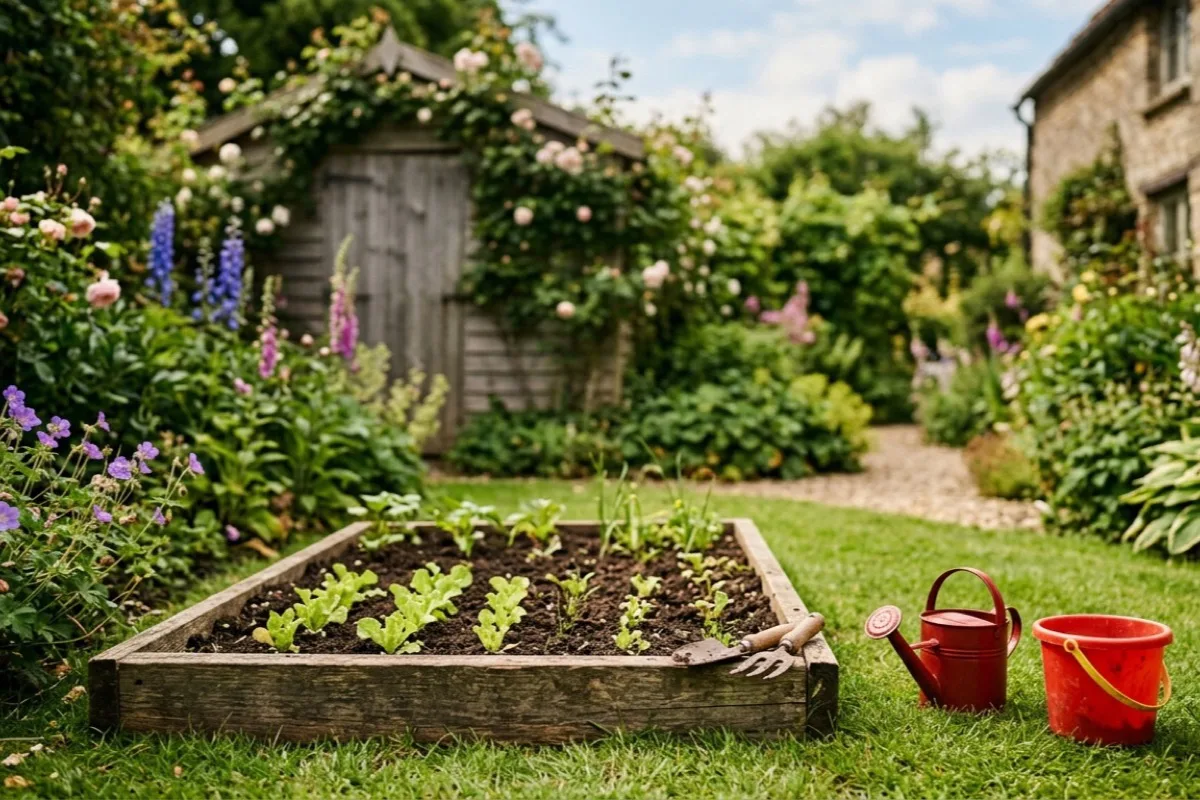
- Give them their own corner. The most effective measure on this page is a happy one: a child-height bed or big pot that is theirs, with their own small trowel, fork and watering can kept outside the shed. A child with radishes to water and a bucket of their own has no reason to follow you into the workshop, and a reason to love your garden for the rest of their life. Gardening with a grandparent is where half of Britain's gardeners started.
The 10-Minute Checklist
The whole guide, reduced to one pass of the garden the day before they arrive:
- Shed locked, key out of sight and reach.
- Chemicals up high, original containers, nothing decanted.
- Medicines, handbags and pill organisers up and away indoors.
- Pond grilled, fenced or designated never-alone; water butts lidded; buckets tipped; paddling pool empty until playtime.
- Blades and power tools locked away; mower blade-side inaccessible; ladder flat.
- Greenhouse and cold frames latched, cracked glass replaced, canes topped.
- Gates latched above reach; boundary walked; drive rule agreed with everyone.
- Berries and the no-mouths rule refreshed with the children on arrival.
- Swings, ropes and trampoline checked before the first go.
- Barbecue sited safely, ash soaked, matches locked away.
Print it for the fridge door
The full checklist as a free, beautifully printable PDF: no email address, no sign-up, no catch. Print one for you and one for the other grandparents.
Free for personal use and sharing. Schools, nurseries and community groups: print as many as you like.
And to say it once, warmly: this is not about cotton wool. Children need mud, worms, nettle stings and the smell of a shed. The point of the checklist is that it buys freedom, for them to roam and for you to relax, because everything that could turn a scrape into a hospital visit was quietly dealt with on Tuesday. Your garden is not a hazard. It is the best place on earth; it just needed ten minutes.
Frequently Asked Questions
How do I make my garden safe for visiting grandchildren?
One pass before they arrive: shed locked with the key away, chemicals and medicines up high, water covered or fenced, blades and ladders away, gates latched, play equipment checked, and a small corner set up that is theirs. Ten focused minutes covers most of it.
What is the most overlooked garden danger for small children?
Water and medicines. Children drown quickly and silently in centimetres of water, and a large share of child poisonings involve grandparents' medication kept in handbags and on bedside tables.
Which garden plants are dangerous to children?
Foxglove, laburnum, yew berries, monkshood and lily of the valley are the ones to know, plus unidentified berries generally. The realistic risk is small: teach the no-mouths rule and supervise the youngest, rather than digging up the borders.
Do grandparents really provide that much childcare?
Around 14 million grandparents live in the UK and over 5 million provide regular childcare; roughly four in ten cover the school summer holidays, averaging more than two weeks of care each summer.
Building Them a Playhouse Next?
Half of Britain's gardeners started in a grandparent's garden. If a little shed of their own is the next project, design it free and get the full cutting list.
Start Building Now