Does Home Insurance Cover Your Shed? Theft, Storms and Claims Explained
Most sheds are covered by home insurance, but the small print bites: outbuilding limits from £500 to £7,500, single-item caps, forced-entry conditions, e-bike exclusions and maintenance clauses. What is actually covered, what quietly is not, and how to make sure a claim pays out.
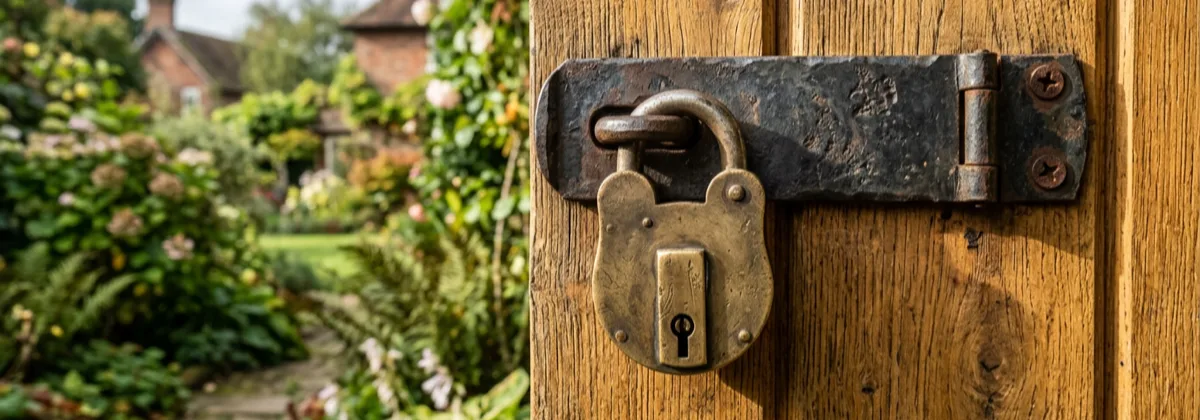
Add up what actually lives in your shed: the mower, the power tools, the bikes, the pressure washer, the fishing kit, the Christmas decorations. For most households it comes to £1,500 to £3,000 without trying, and for a serious workshop far more. Almost nobody checks how their home insurance treats that pile until the morning they find the hasp jemmied off. The honest answer is that most sheds are covered, but through a thicket of separate limits, conditions and exclusions that catch people out at exactly the wrong moment. This guide walks through how policies typically treat sheds, where claims fail, and the twenty minutes of homework that makes yours solid.
General guidance on how UK home policies commonly treat sheds and outbuildings, so you know which questions to ask. It is not financial advice, and policies genuinely differ: your own policy schedule and documents are the only source of truth for what you are covered for.
Two Policies in One: Buildings vs Contents
Home insurance splits your world into two halves, and your shed straddles both.
The shed itself is usually a buildings matter. Most buildings policies extend to outbuildings: sheds, garages, greenhouses and summerhouses within the boundary of your home. If a storm flattens the shed or a fire destroys it, the structure is typically claimed under buildings cover. If you rent, the structure is your landlord's problem; your things inside it are yours.
What is inside the shed is a contents matter, and this is where the detail lives. Contents policies almost always cover belongings in outbuildings, but not at the same level as belongings in the house. There is normally a specific, separate outbuildings limit, and it is usually the single most important number in this whole subject.
One wrinkle worth knowing: a shed used for business, whether that is storing a tradesperson's tools or running a workshop that sells, often falls outside a standard home policy altogether. Business tools generally need their own cover, and it is one of the most common gaps going.
The Limits That Bite
Three numbers decide most shed claims, and they vary enormously between insurers and tiers.
| Limit | Typical range | Why it matters |
|---|---|---|
| Outbuildings contents limit | £500 to £7,500 depending on insurer and tier | The total ceiling for everything stolen from or damaged in the shed. Budget policies sit at the painful end; some standard policies offer around £3,000, premium tiers more. |
| Single-item limit | Commonly around £1,500 | The most any one unlisted item can claim. A £2,400 ride-on mower or £2,000 e-bike breaches it unless declared separately in advance. |
| Policy excess | £100 to £400+ | Comes off every claim, which changes the maths on smaller losses entirely (see below). |
The practical exercise takes five minutes: stand in the shed, tot up replacement values, and compare the total against the outbuildings limit in your policy schedule. If you own £3,000 of kit and your policy carries a £1,000 outbuildings limit, you are two-thirds self-insured and did not know it. That gap is fixable by declaring items, upgrading tier, or moving the dearest kit indoors over winter.
What Is Usually Covered
- Theft with forced entry. The classic claim: locked shed, jemmied hasp, tools gone. Photograph the damage before touching anything, report to the police and get a crime reference number; insurers expect one for any theft claim.
- Storm and fire damage to the structure and, via contents cover, to what is inside. Storm claims are the bread and butter of outbuilding insurance every winter.
- Vandalism, again usually with a crime reference.
- Escape of water in the rare sheds with plumbing.
Cover conditions matter as much as perils. Insurers commonly expect the shed to be locked, in sound repair and used domestically. A decent lock on a decent hasp is not just physical security, it is the difference between a paid and refused claim; our shed security guide covers the hardware that satisfies both burglars and loss adjusters.
What Quietly Is Not
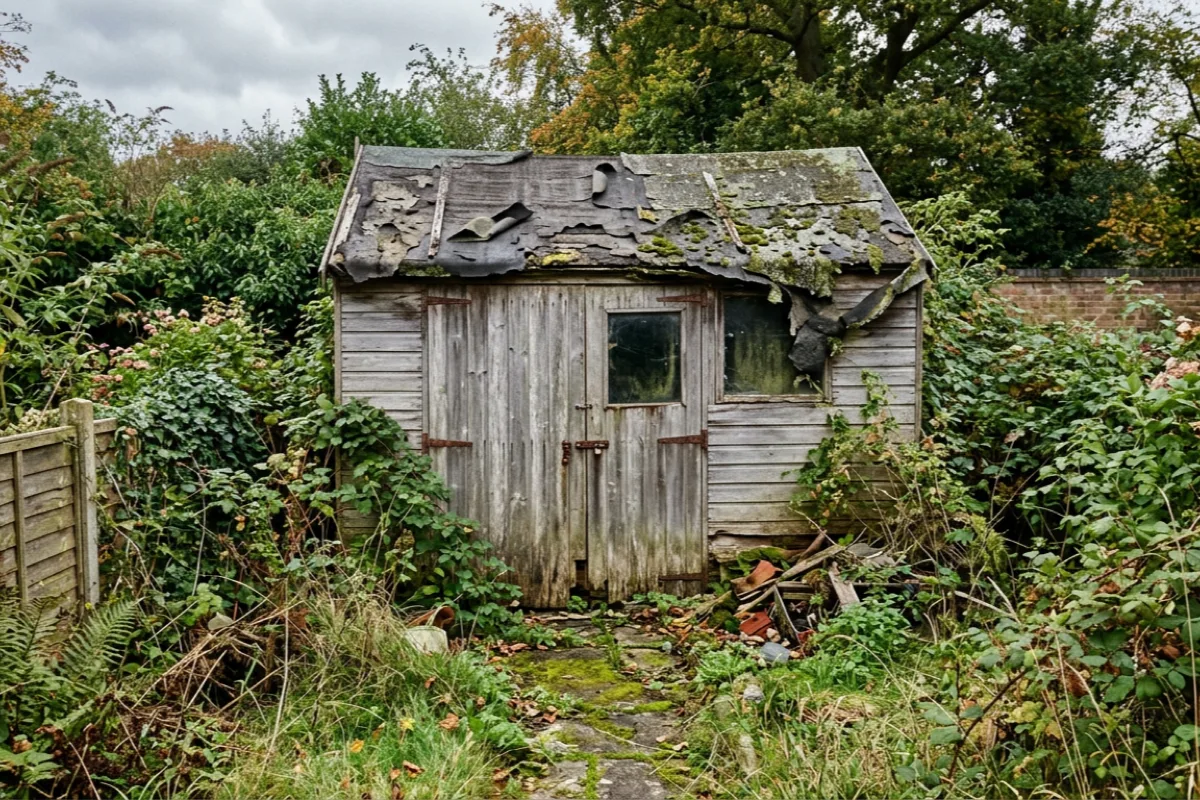
- Theft without forced entry. Left unlocked, or the padlock was undone, or there is simply no damage to show: this is the most common refusal in shed claims. The lock has to be used, not just owned.
- Wear, tear and gradual damage. Rot, rust, a roof that has slowly failed: insurance covers sudden events, not deterioration. Where poor maintenance contributed to storm damage, the claim can be reduced or declined, which is a financial reason (on top of all the practical ones) to keep up with the annual maintenance checklist and a sound roof; see the waterproofing guide.
- Business equipment. A tradesperson's tools in the home shed typically need separate tools cover.
- High-value items never declared. Anything over the single-item limit that was never listed.
- Frost and freezing damage to contents is rarely a named peril: the tin of paint ruined by a hard freeze is on you, which is one more argument for the frost-stat setup in our winter shed guide.
The E-Bike Problem
E-bikes deserve their own section because they combine three awkward facts: they are the most valuable thing in many sheds, they are the most stolen, and they are the item most likely to slip through a home policy. Depending on the insurer, an e-bike may be capped by a low pedal-cycle limit, excluded from outbuildings cover specifically, subject to conditions about being locked to something immovable even inside the shed, or, for higher-powered models, treated as a motor vehicle and excluded entirely.
If a £2,000+ e-bike lives in your shed, read its treatment in your policy word by word, and price specialist cycle insurance against the gap. Then reduce the odds of ever testing it: ground anchors, proper locks and layout are covered in our bike storage guide, and several of its measures are exactly what cycle insurers require as policy conditions anyway.
Making Your Shed Claim-Ready in Twenty Minutes
- Inventory it. Walk in with your phone: one wide shot per wall, close-ups of anything worth over £100, serial numbers on tools and bikes. Store the photos in the cloud, not on a laptop in the shed.
- Total it and check the limit. Replacement cost, not what you paid on Marketplace. Compare against the outbuildings limit and single-item limit in your schedule.
- Declare the outliers. Anything over the single-item limit gets listed with the insurer now, not explained after the theft.
- Meet the lock condition. A closed-shackle padlock on a coach-bolted hasp, used every time. Photograph the setup; it is evidence of compliance.
- Keep maintenance evidence. A dated photo each spring showing sound roof and timber costs nothing and defuses the wear-and-tear argument in a storm claim.
- Diarise it annually. Kit accumulates; limits do not. A five-minute re-check each renewal keeps the numbers honest.
Is It Worth Claiming?
Run the maths before the phone call. A £400 mower stolen against a £250 excess returns £150, and the claim itself can affect your premium and no-claims position at renewal for years. Small shed losses are often better absorbed, which reframes where the real value lies: prevention. £60 of serious lock and hasp, or a couple of hundred on a properly hardened shed, outperforms most small claims you would ever make. Larger losses, a cleared-out workshop or a flattened shed, are exactly what the policy is for: claim without hesitation, with your crime reference and inventory ready.
Frequently Asked Questions
Is a garden shed covered by home insurance?
Usually yes: the structure under buildings cover as an outbuilding, the contents under contents cover but with a separate, lower outbuildings limit (anywhere from £500 to £7,500). Your policy schedule has the exact numbers.
Will insurance pay out if tools are stolen from my shed?
Generally only with forced entry to a locked shed, a crime reference number, totals within the outbuildings limit and no single item over the single-item cap. No forced entry is the most common refusal.
Are e-bikes covered in a shed?
Often not fully: low cycle caps, outbuilding exclusions or vehicle classifications all appear in standard policies. Check the wording and consider specialist cycle cover.
Does insurance cover storm damage to a shed?
Storm is a standard peril, but claims can be reduced or refused where poor maintenance contributed. Keep the shed sound and keep dated photos as evidence.
Building a Shed Worth Insuring?
Design it properly from day one: sound structure, secure doors, the right spec. The builder is free and produces the complete materials list.
Start Building Now